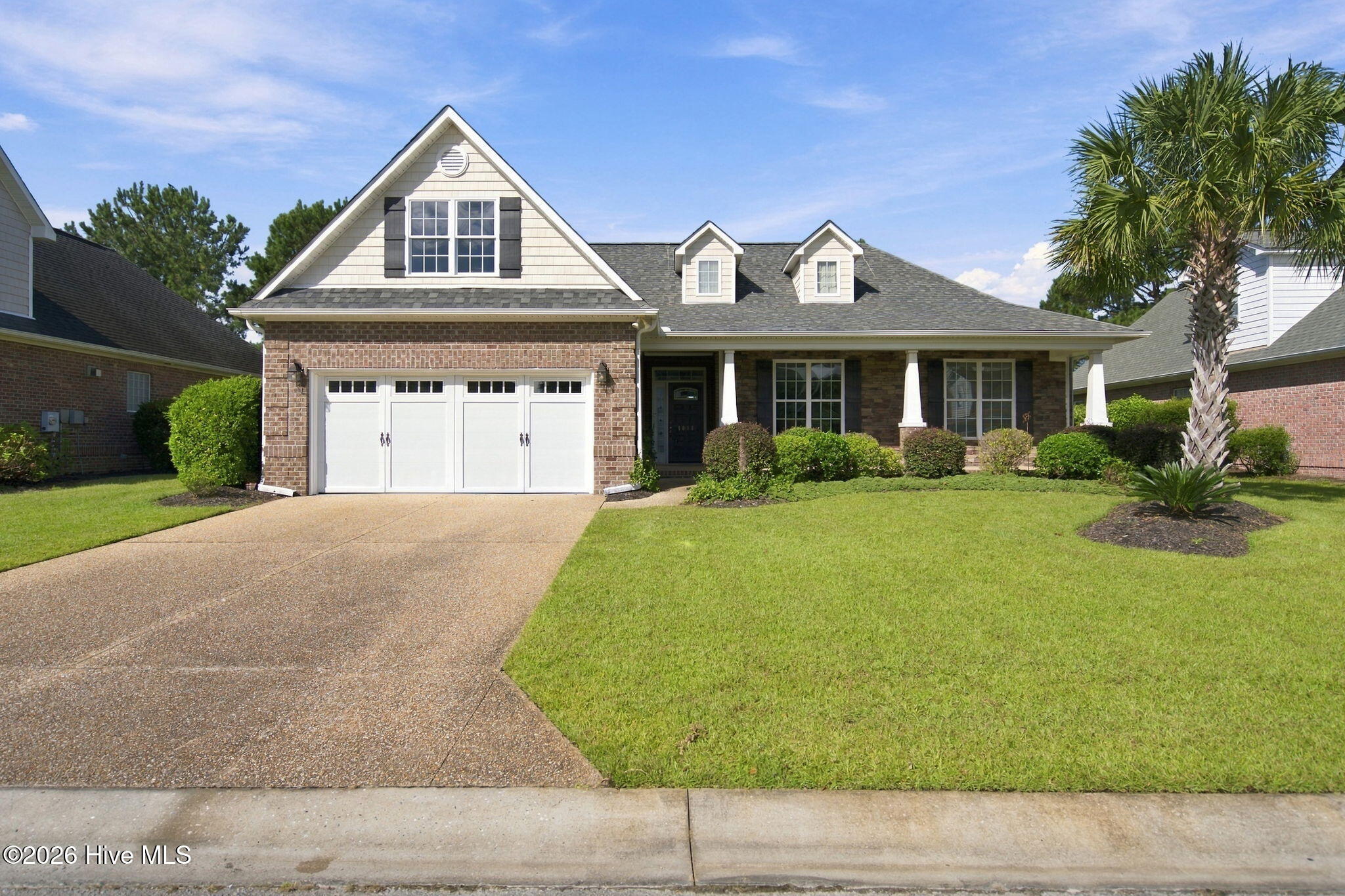
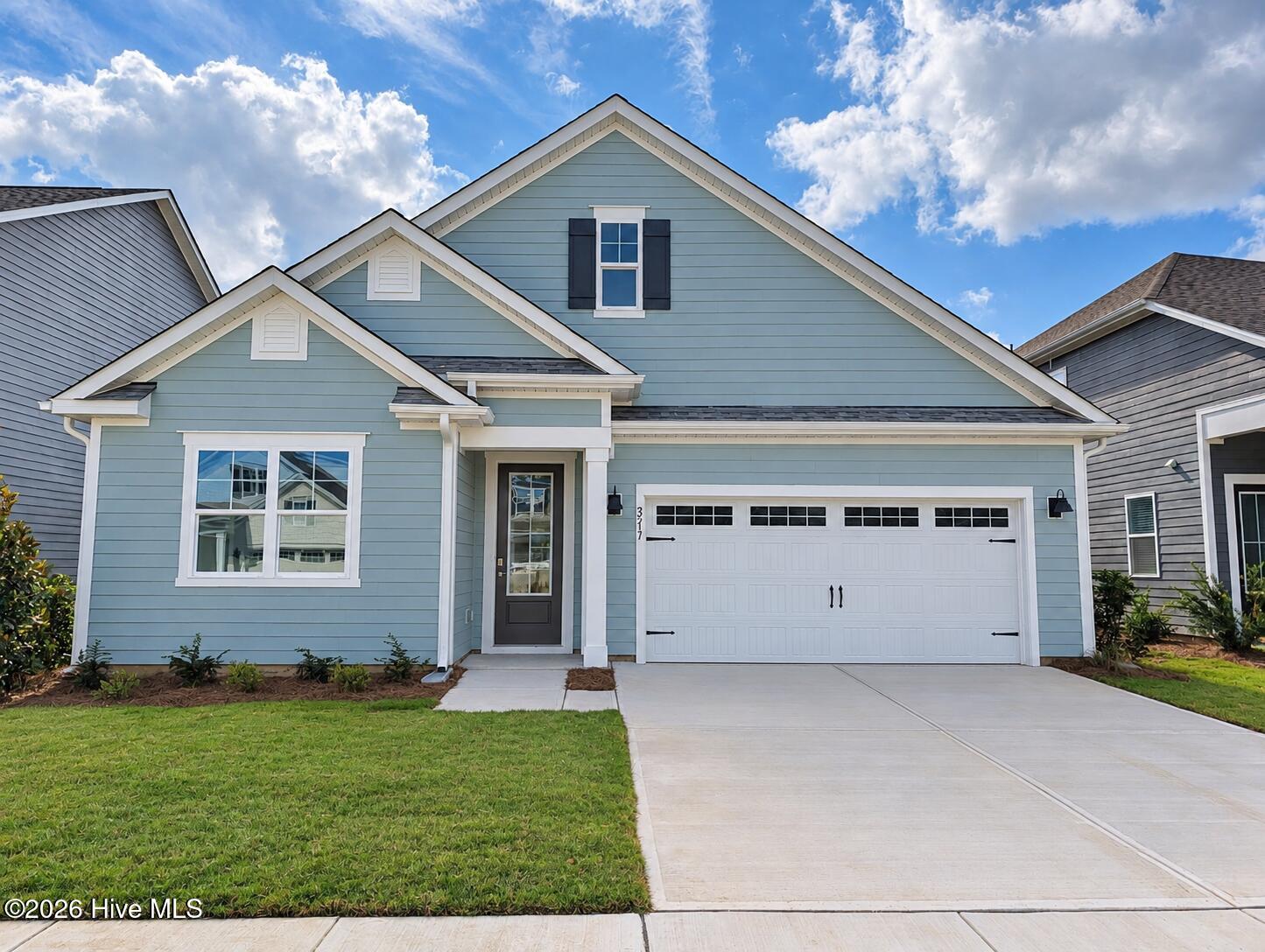
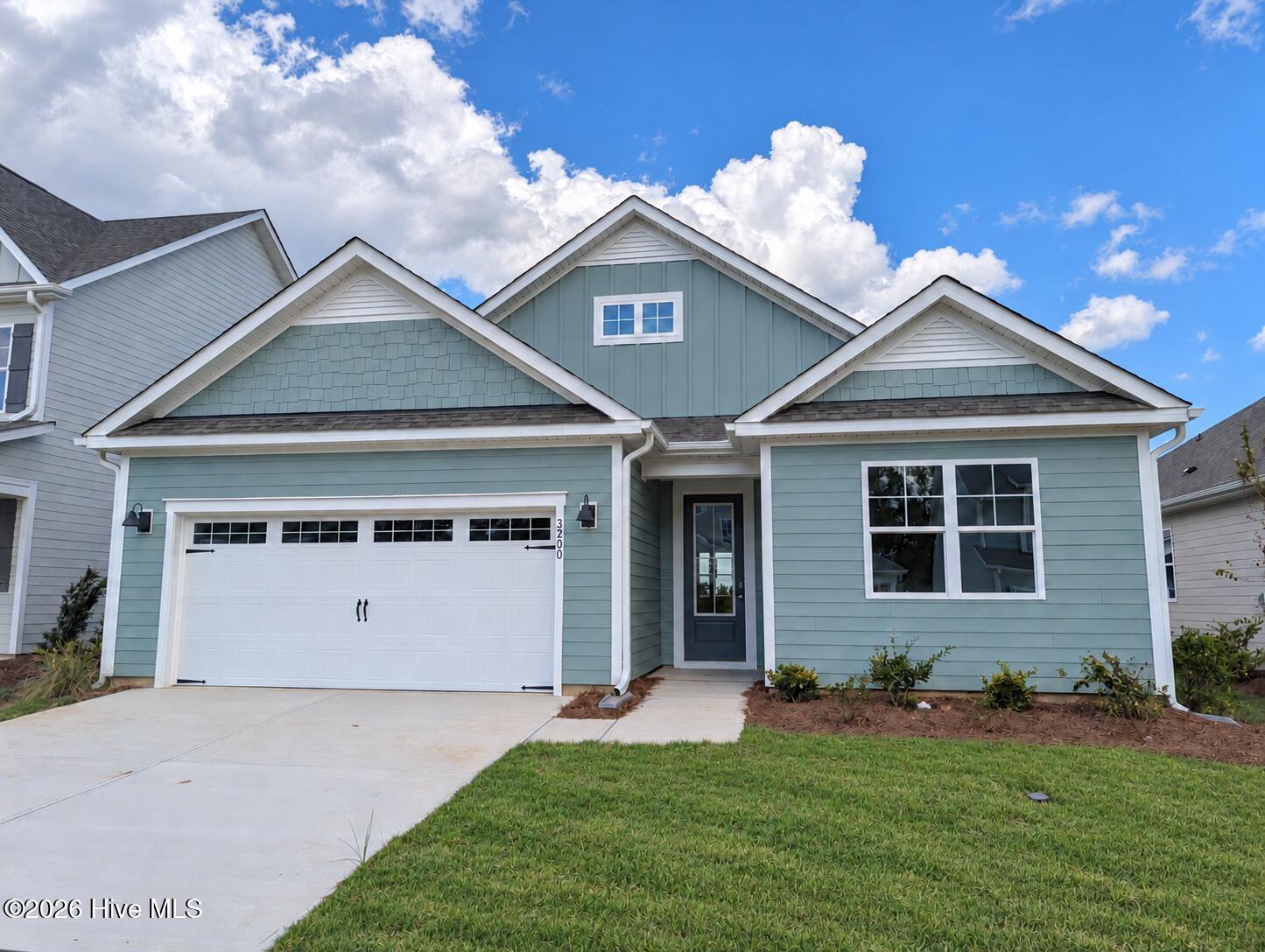
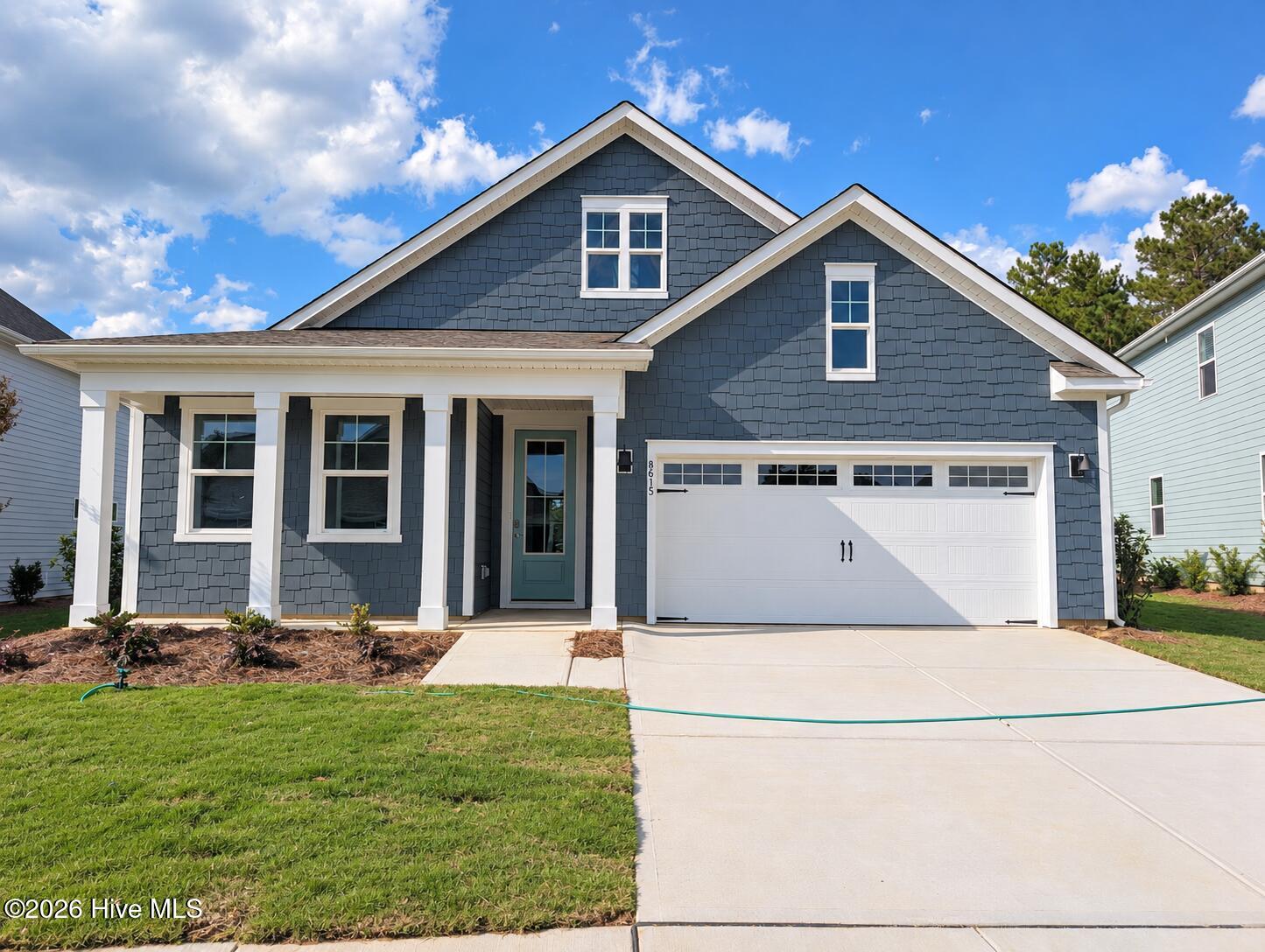
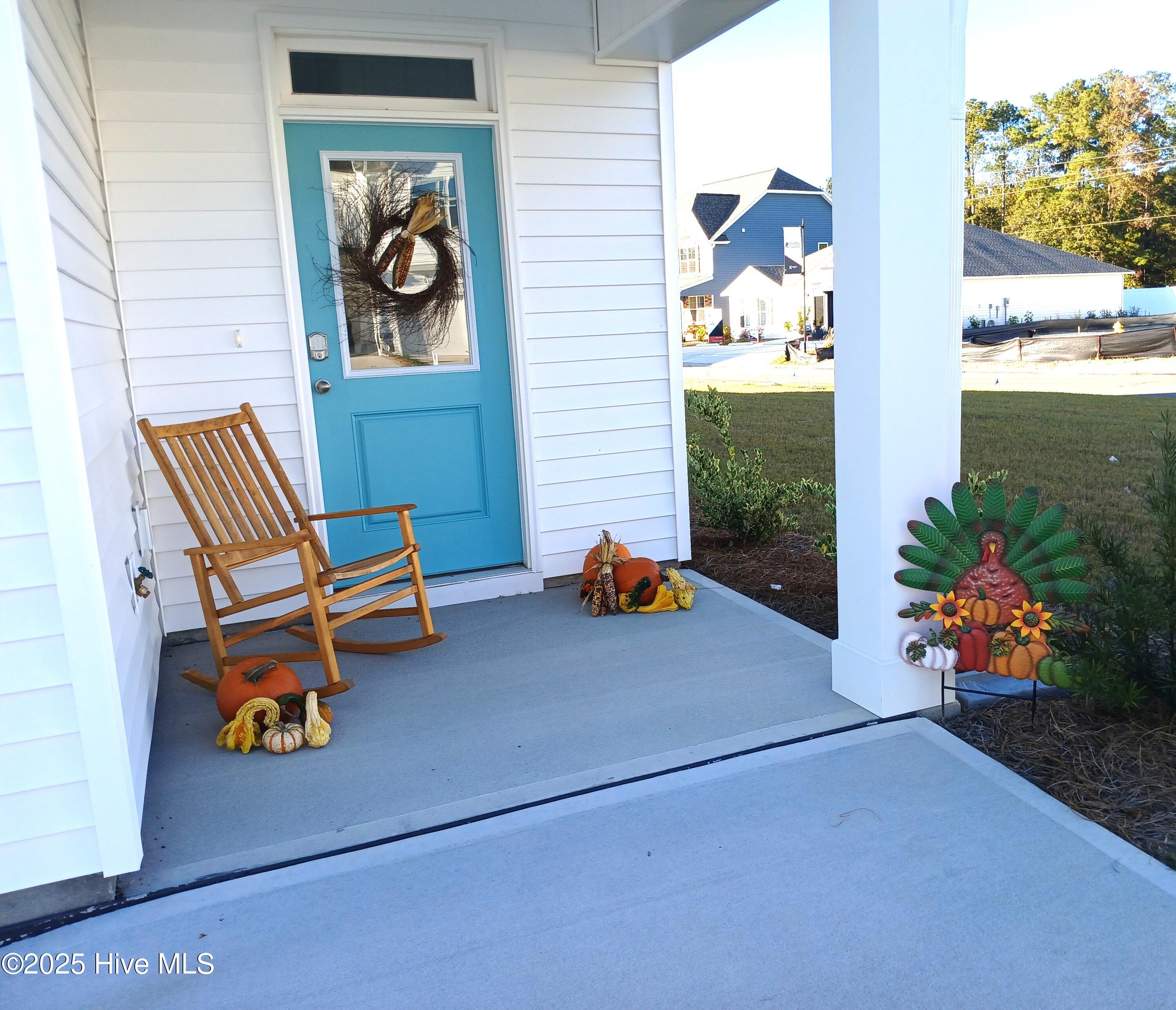
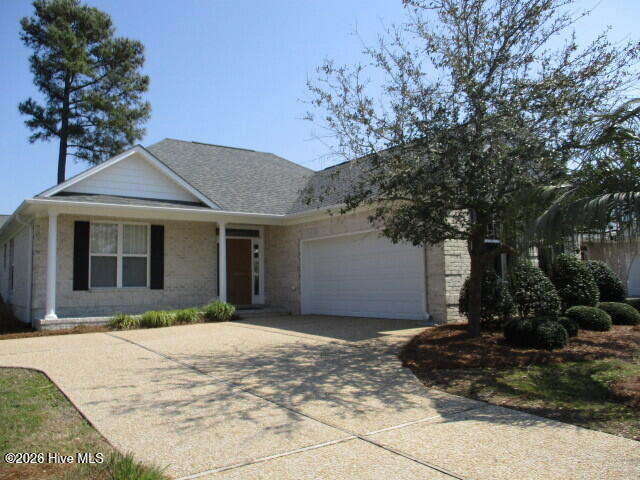
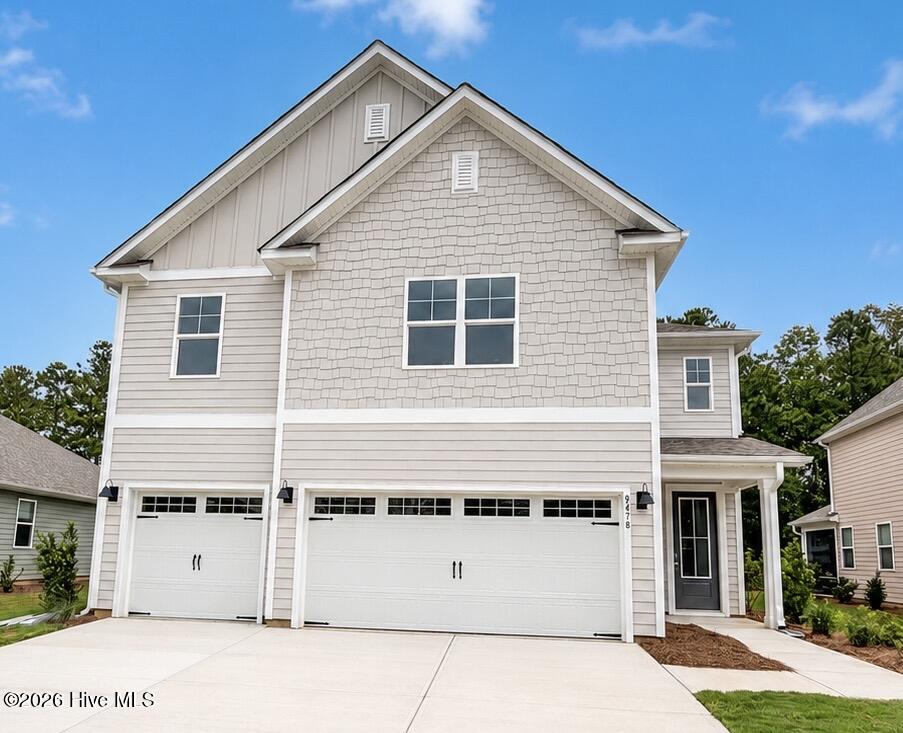
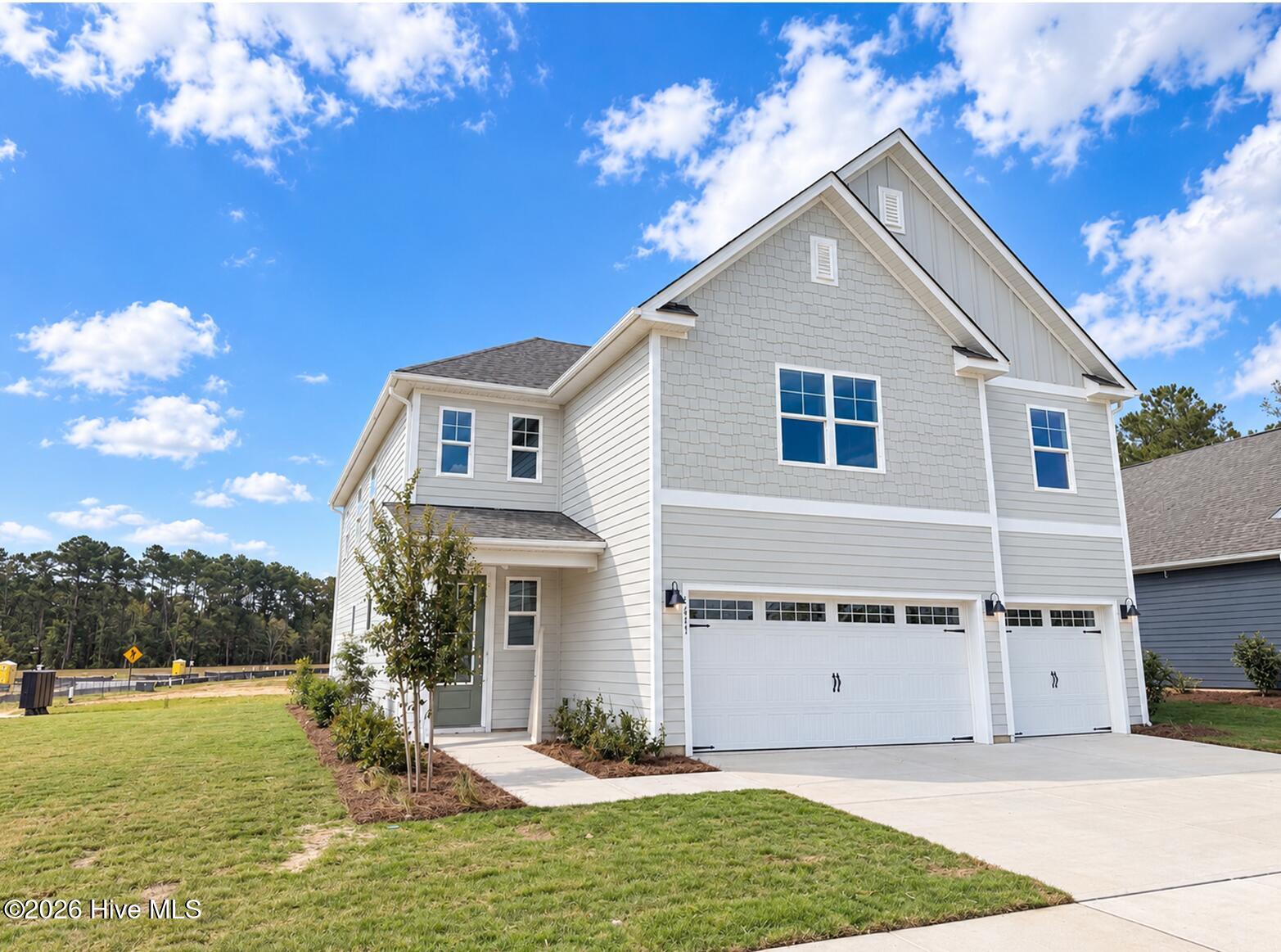
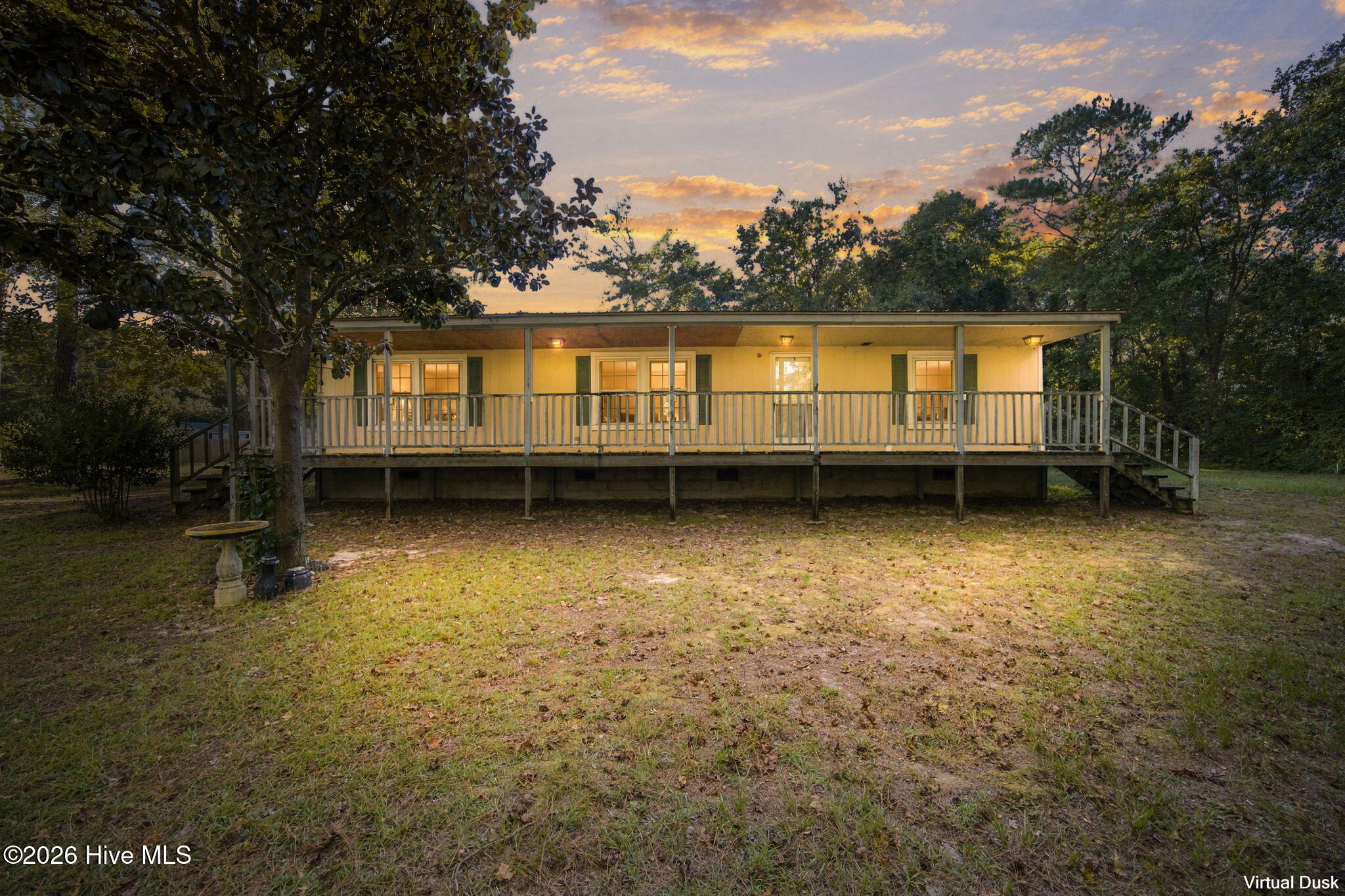
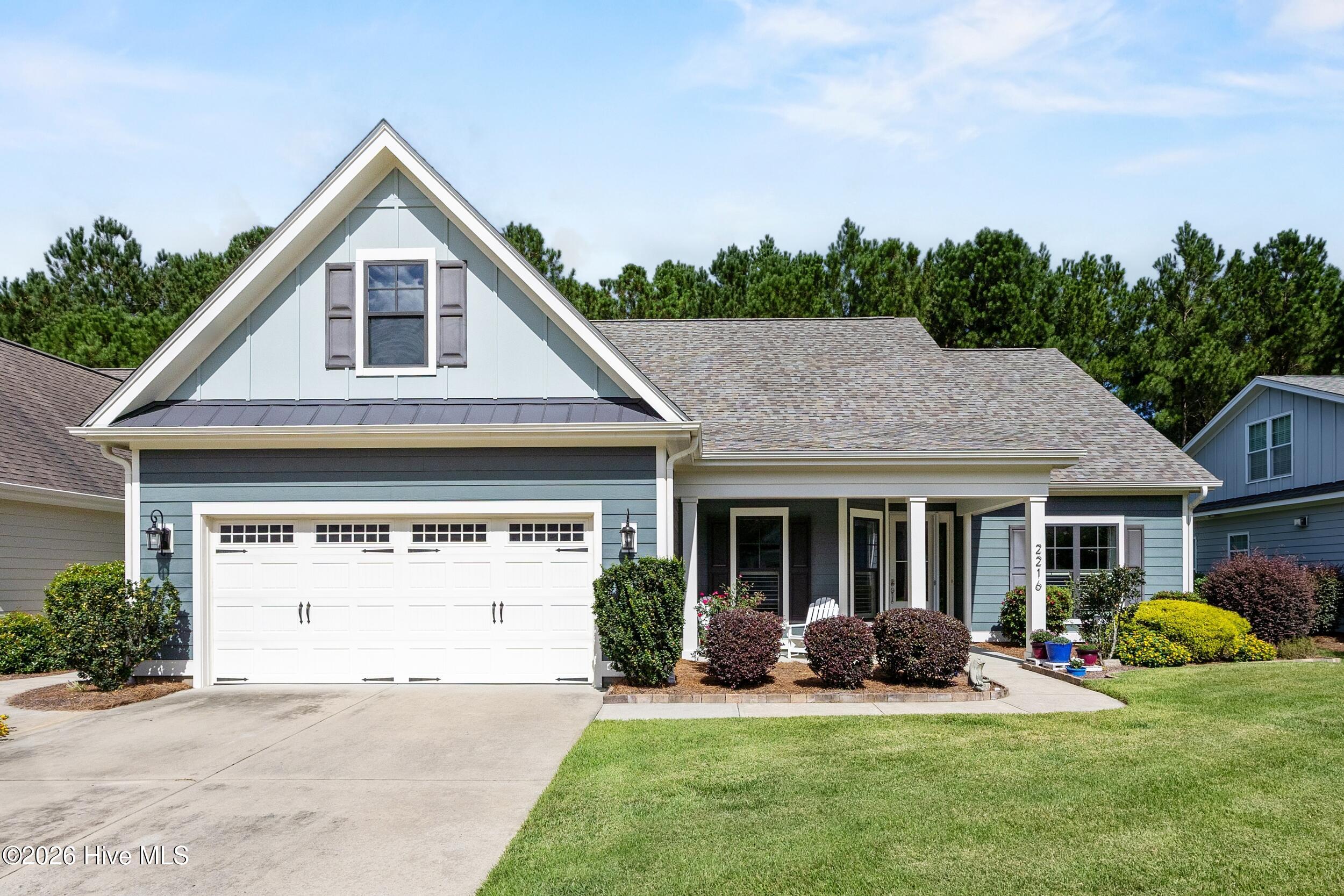
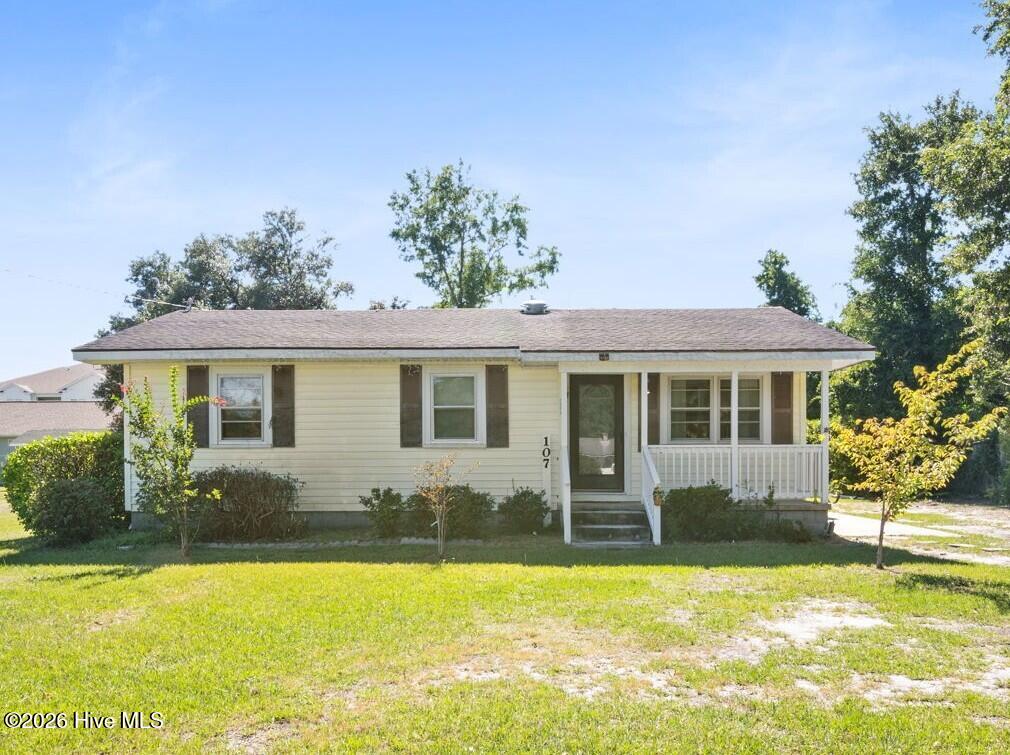
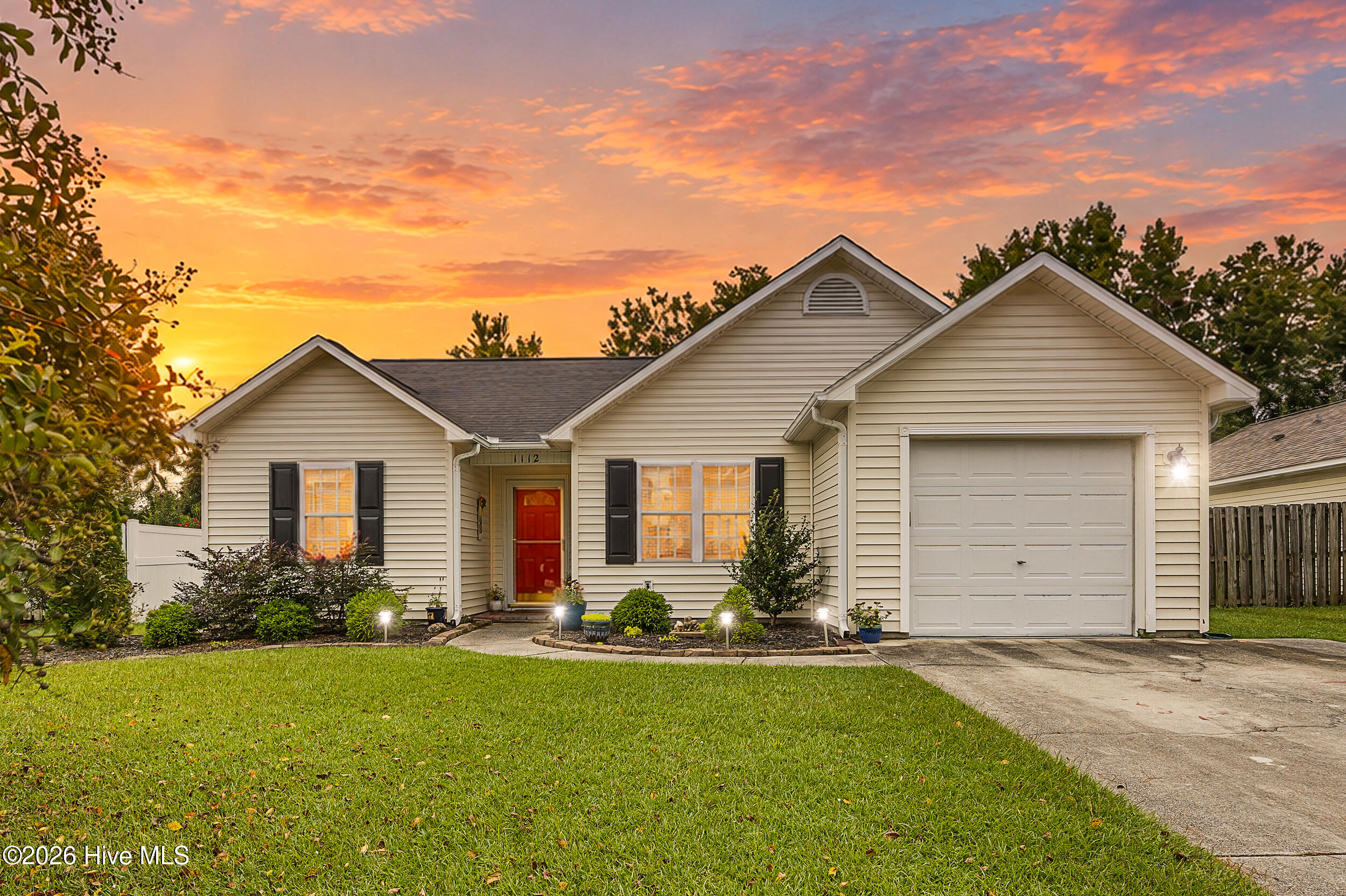
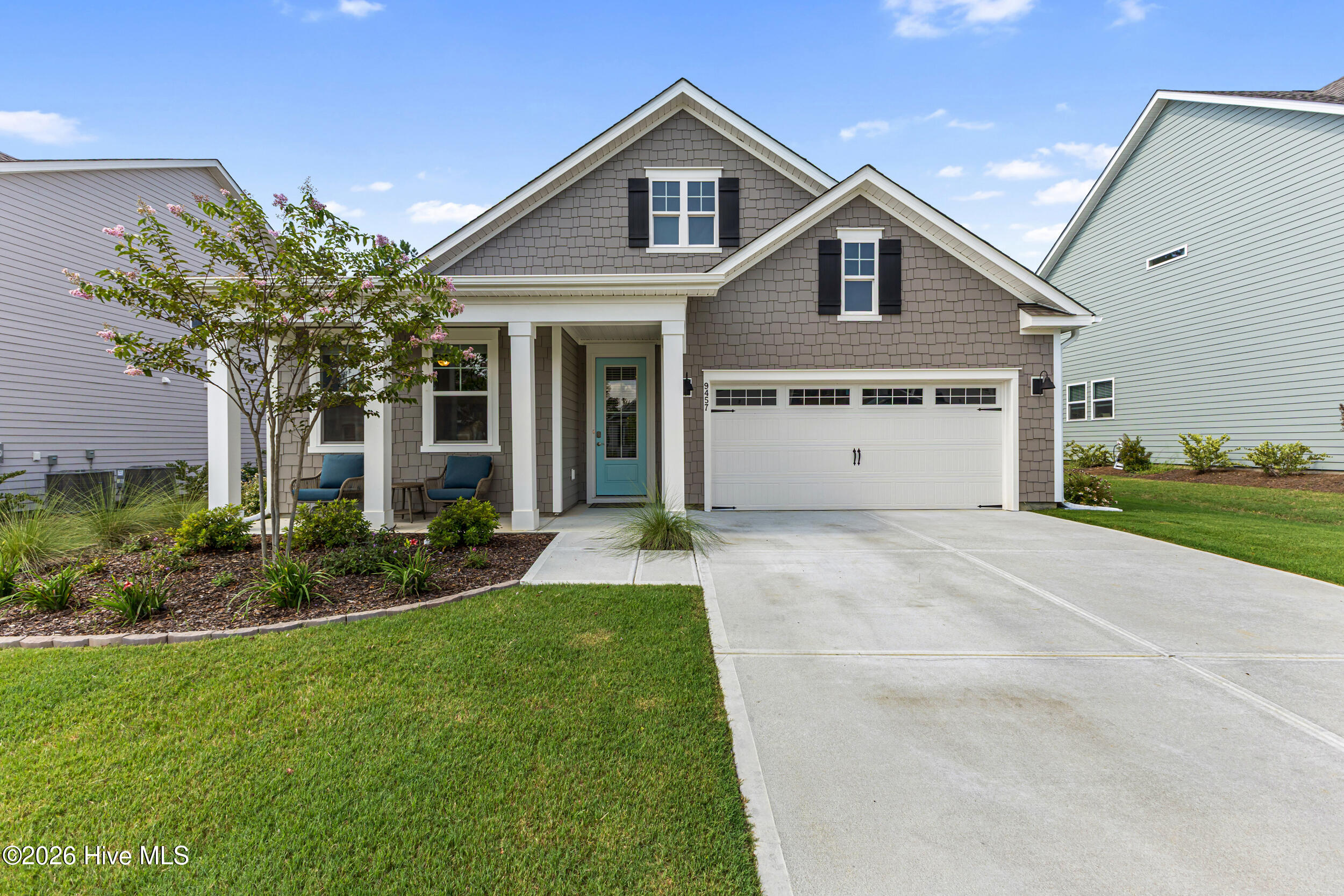
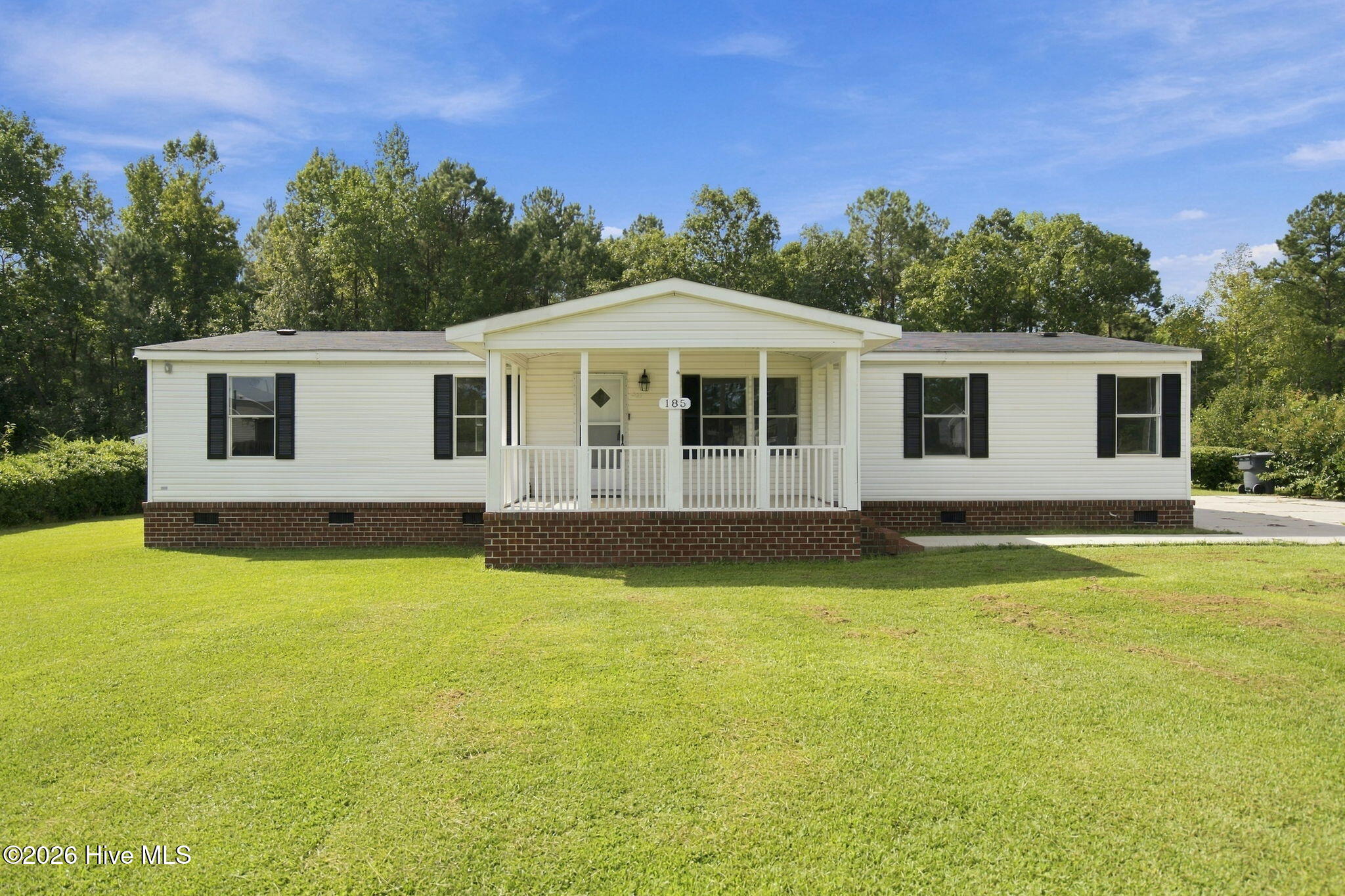
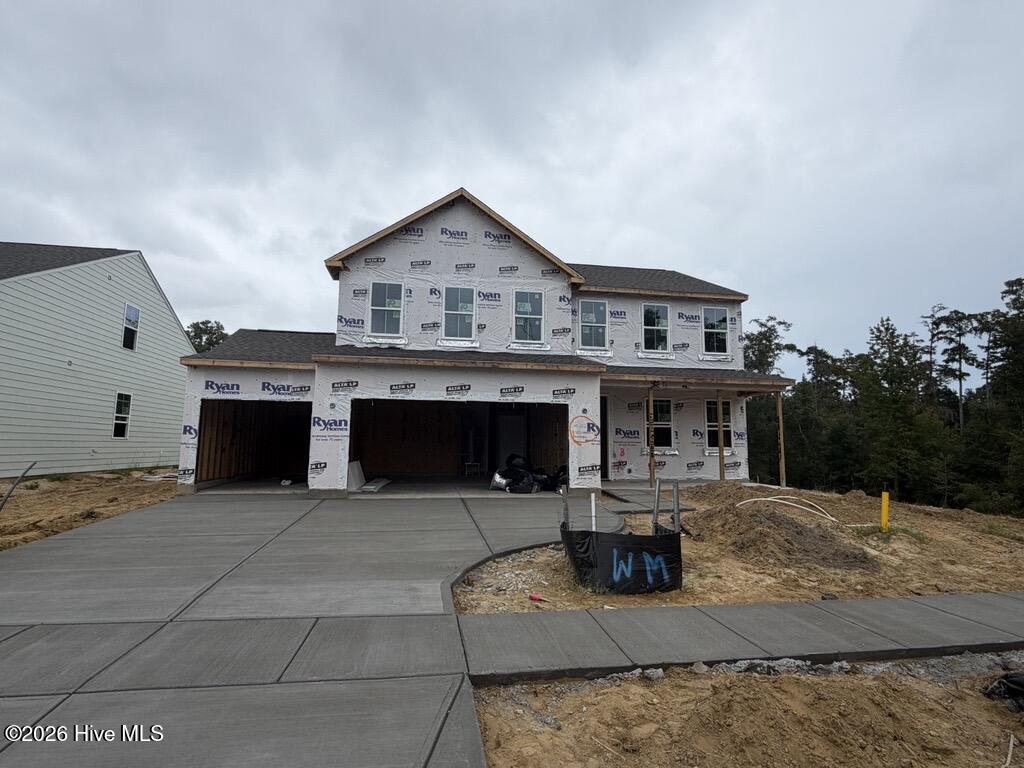
Leland is a growing town located in Brunswick County, North Carolina, just across the Cape Fear River from the city of Wilmington. Known for its convenient location and expanding residential communities, Leland serves as a suburban hub that offers both easy access to urban amenities and the natural beauty of southeastern North Carolina.
According to the 2020 U.S. Census, Leland had a population of approximately 23,504 residents. This marks a significant growth from previous decades, as the area continues to attract new residents due to its proximity to Wilmington, appealing lifestyle, and expanding housing market.
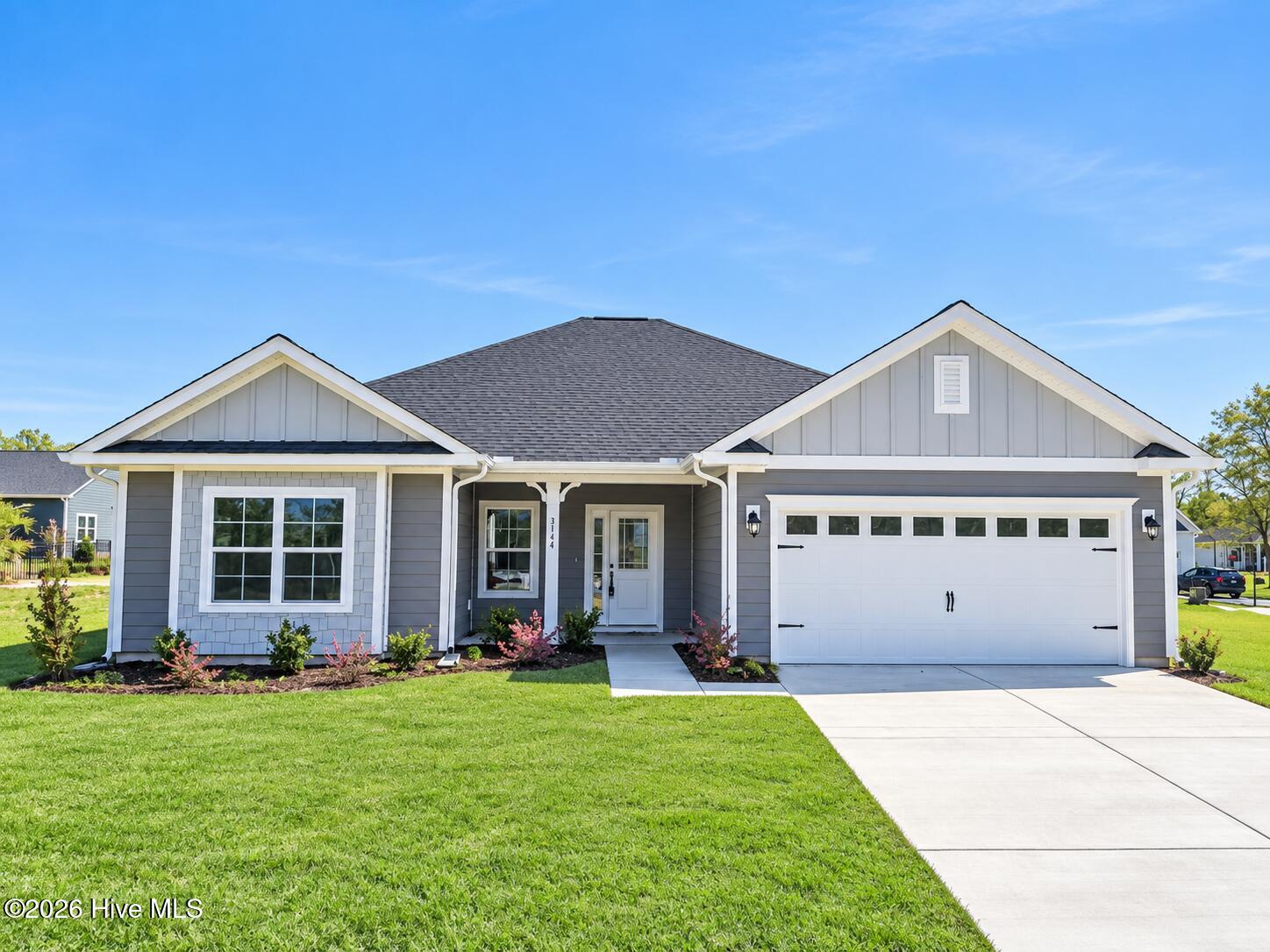
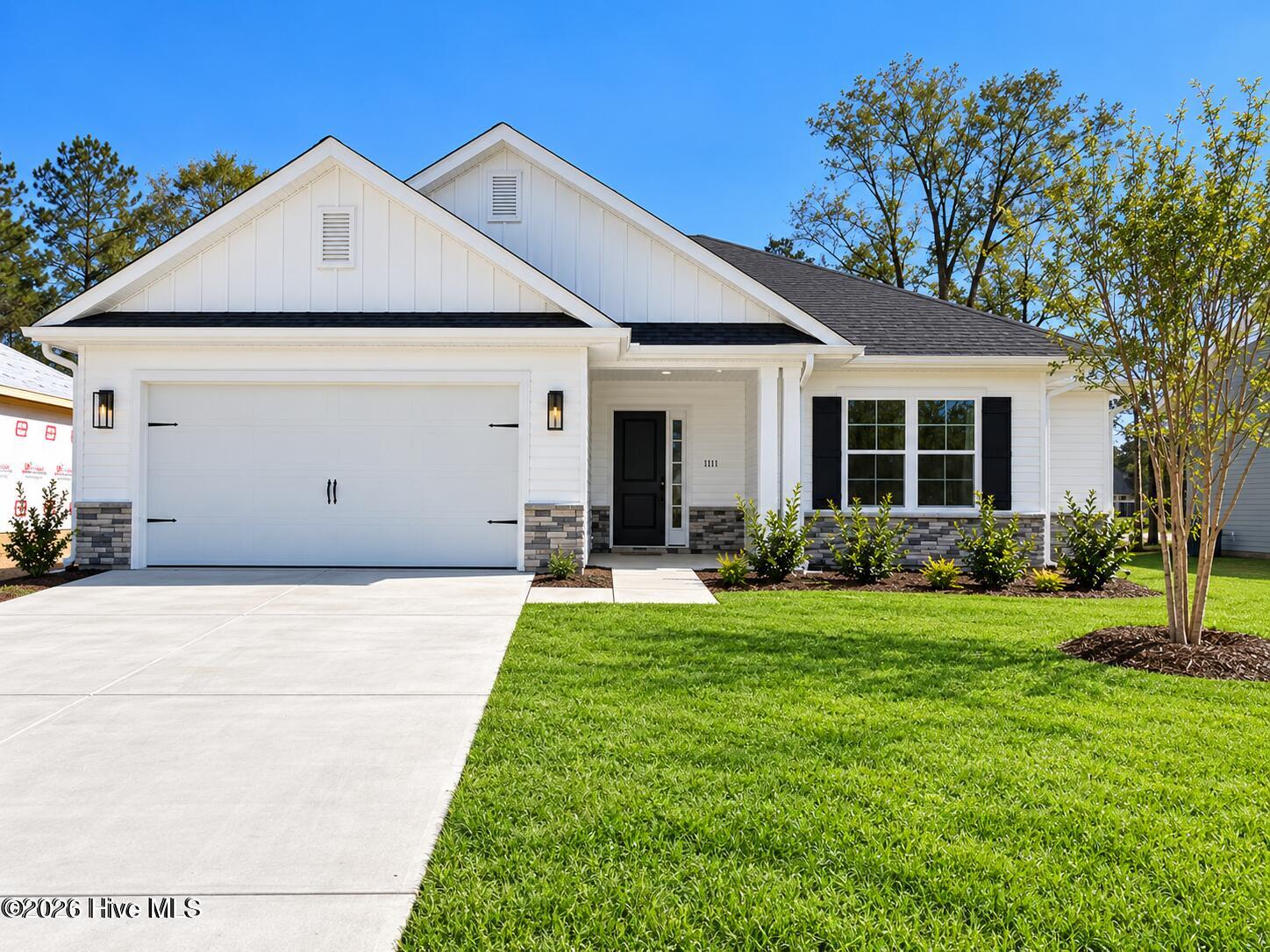
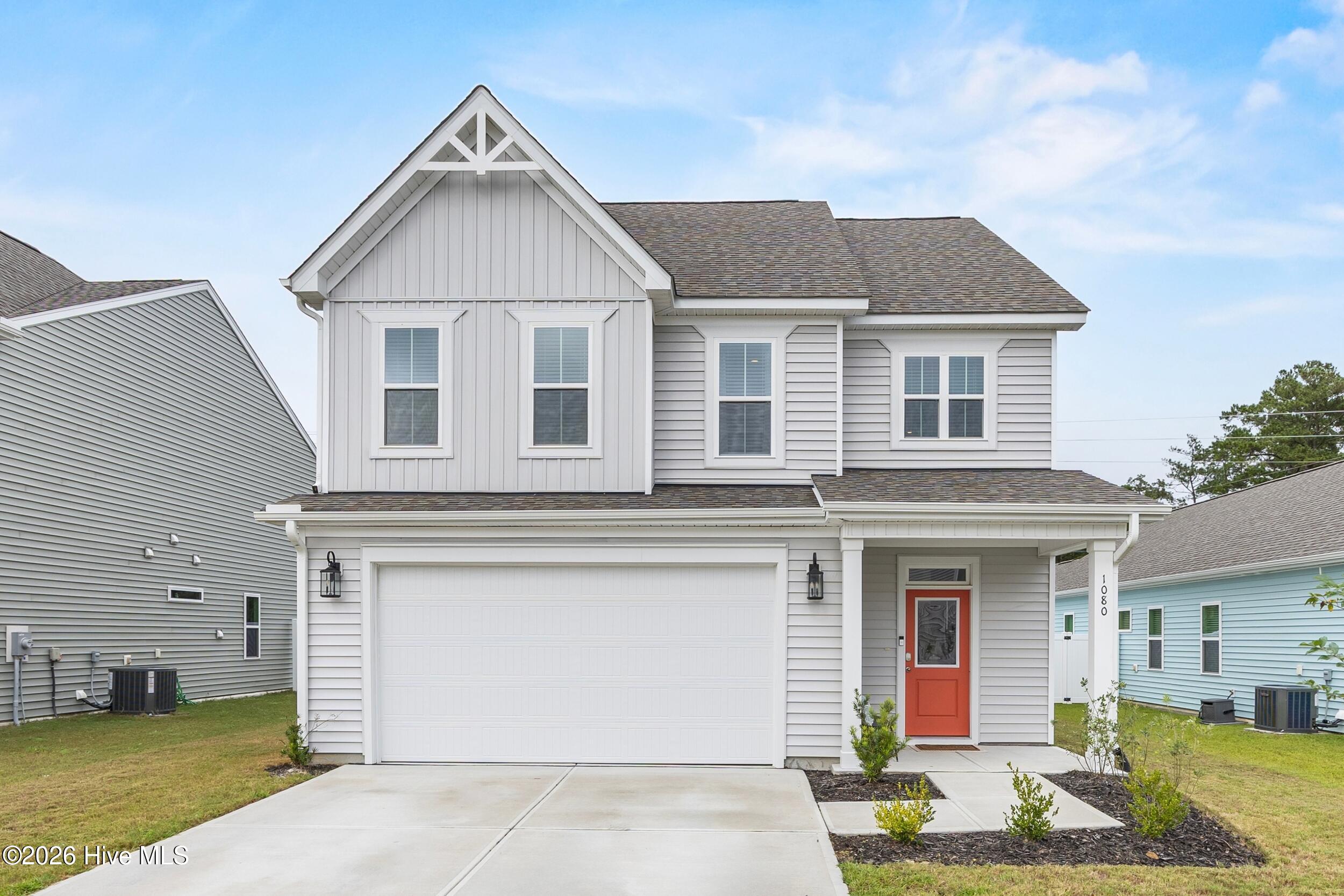
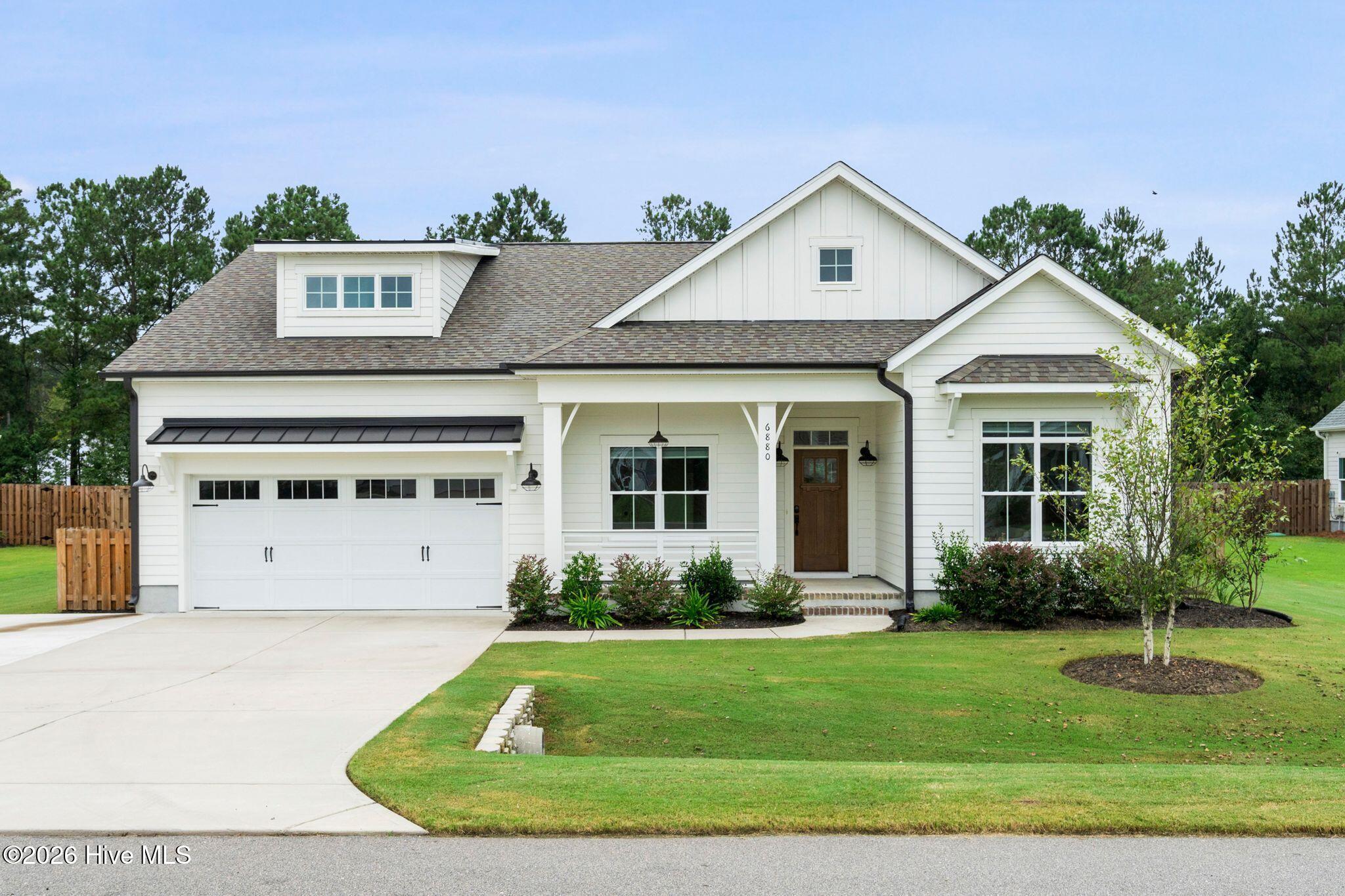
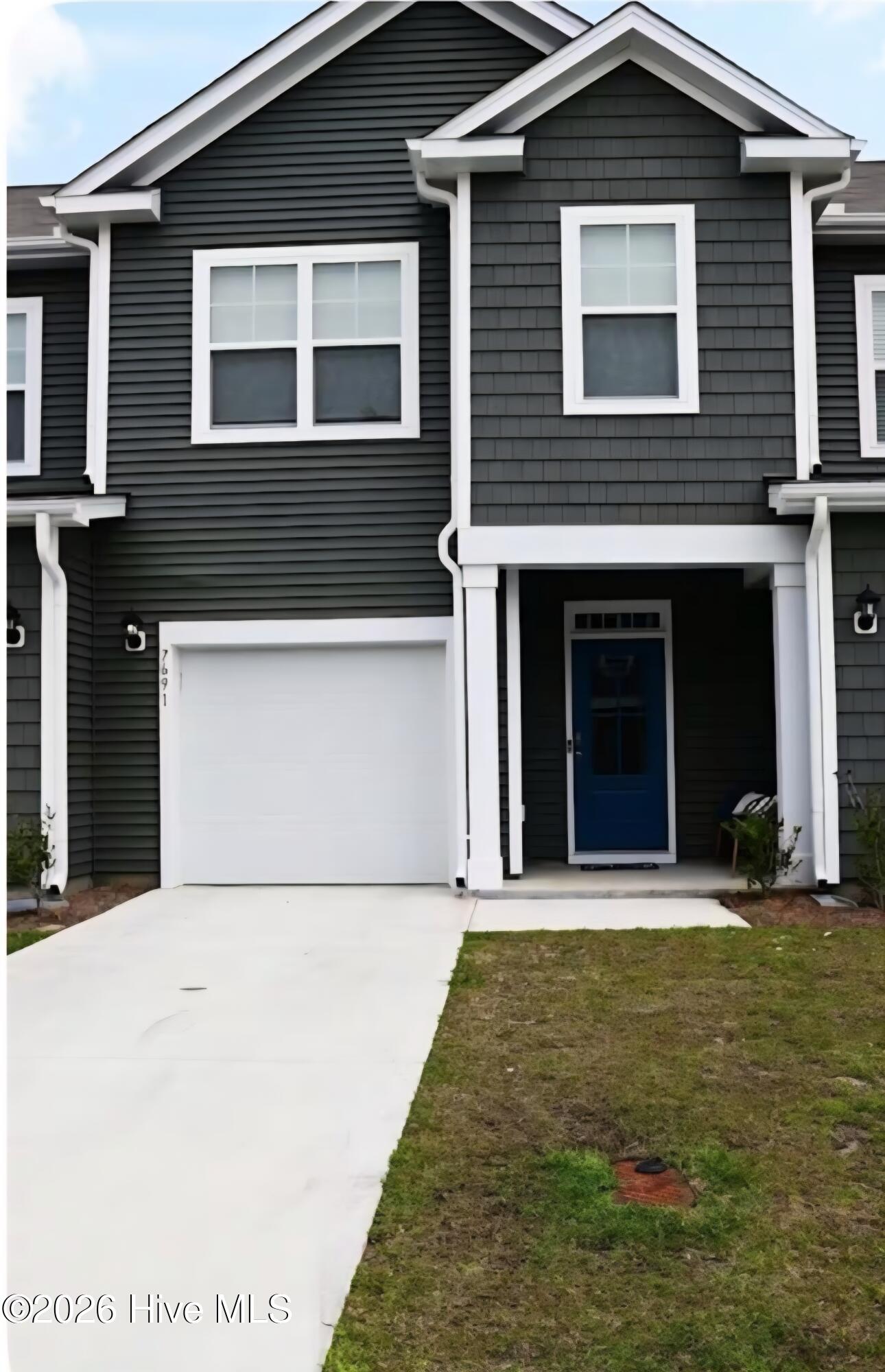
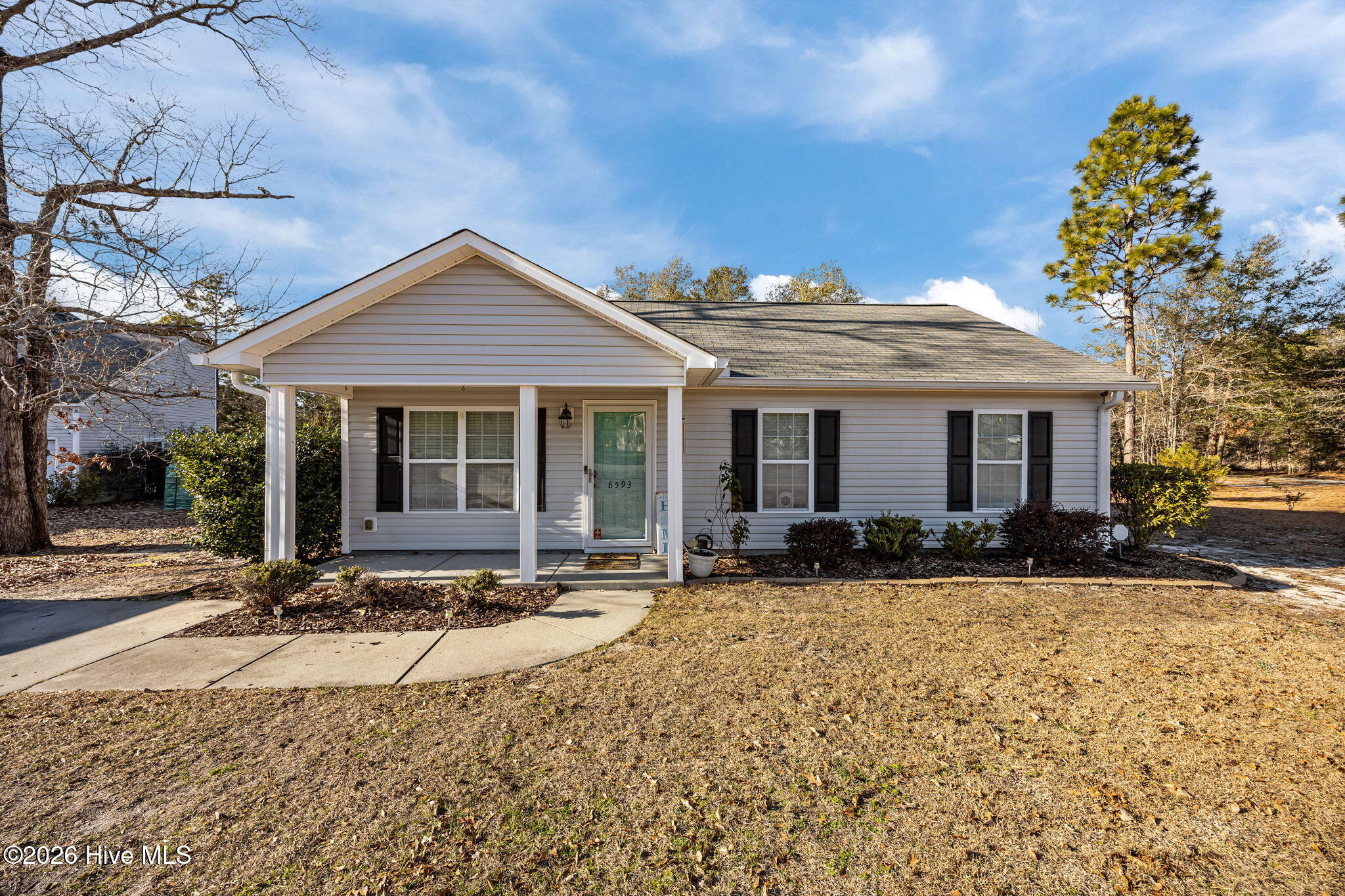
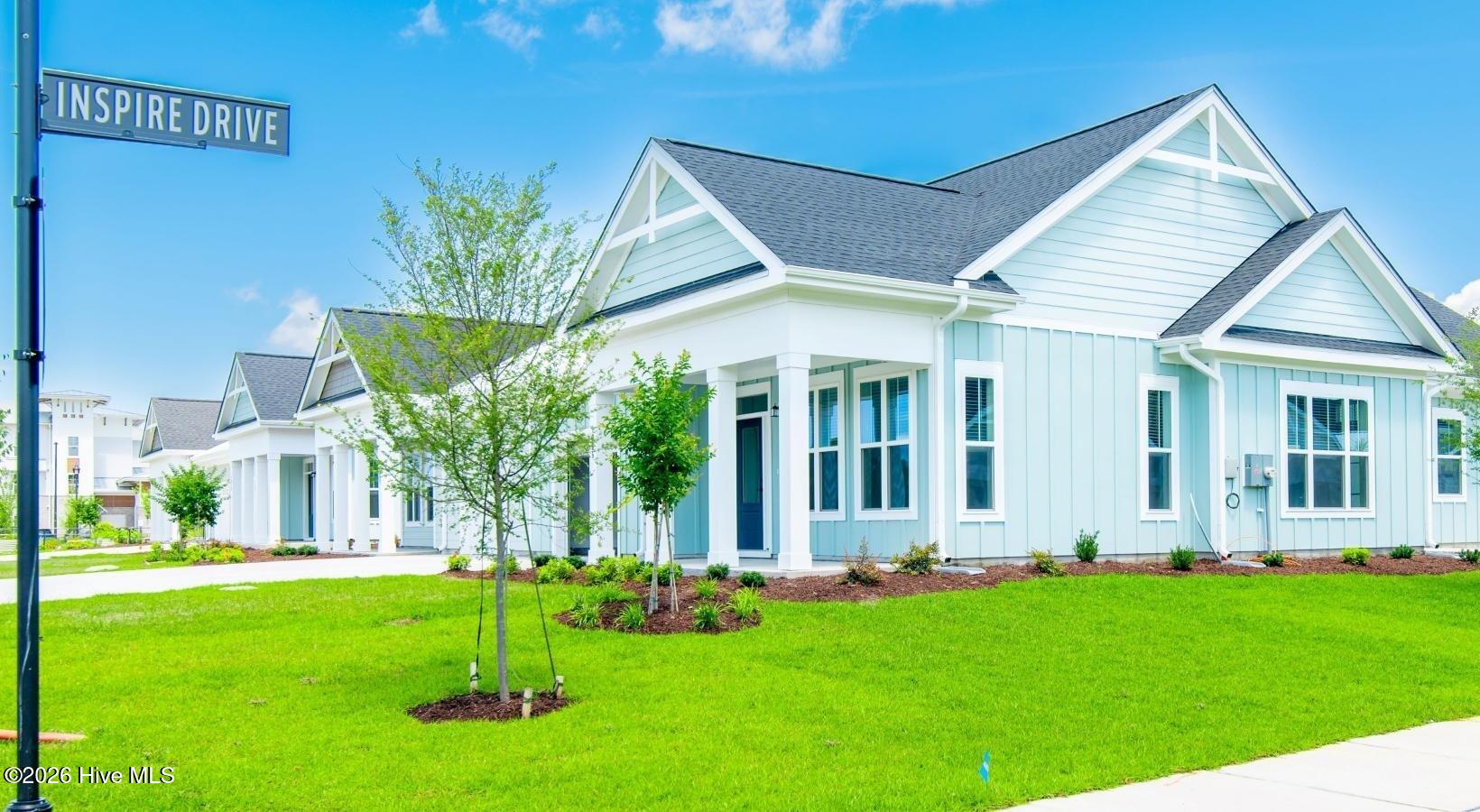
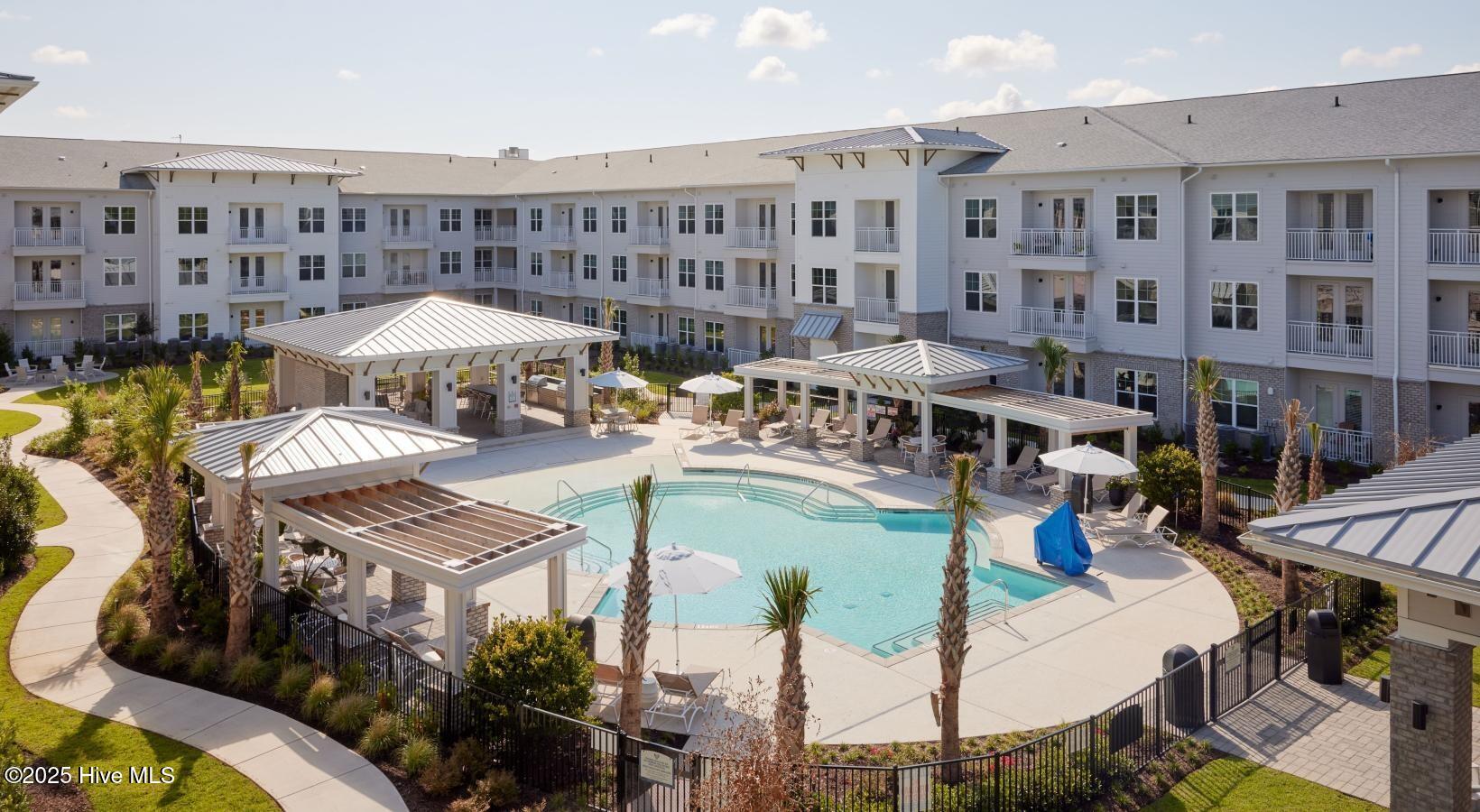
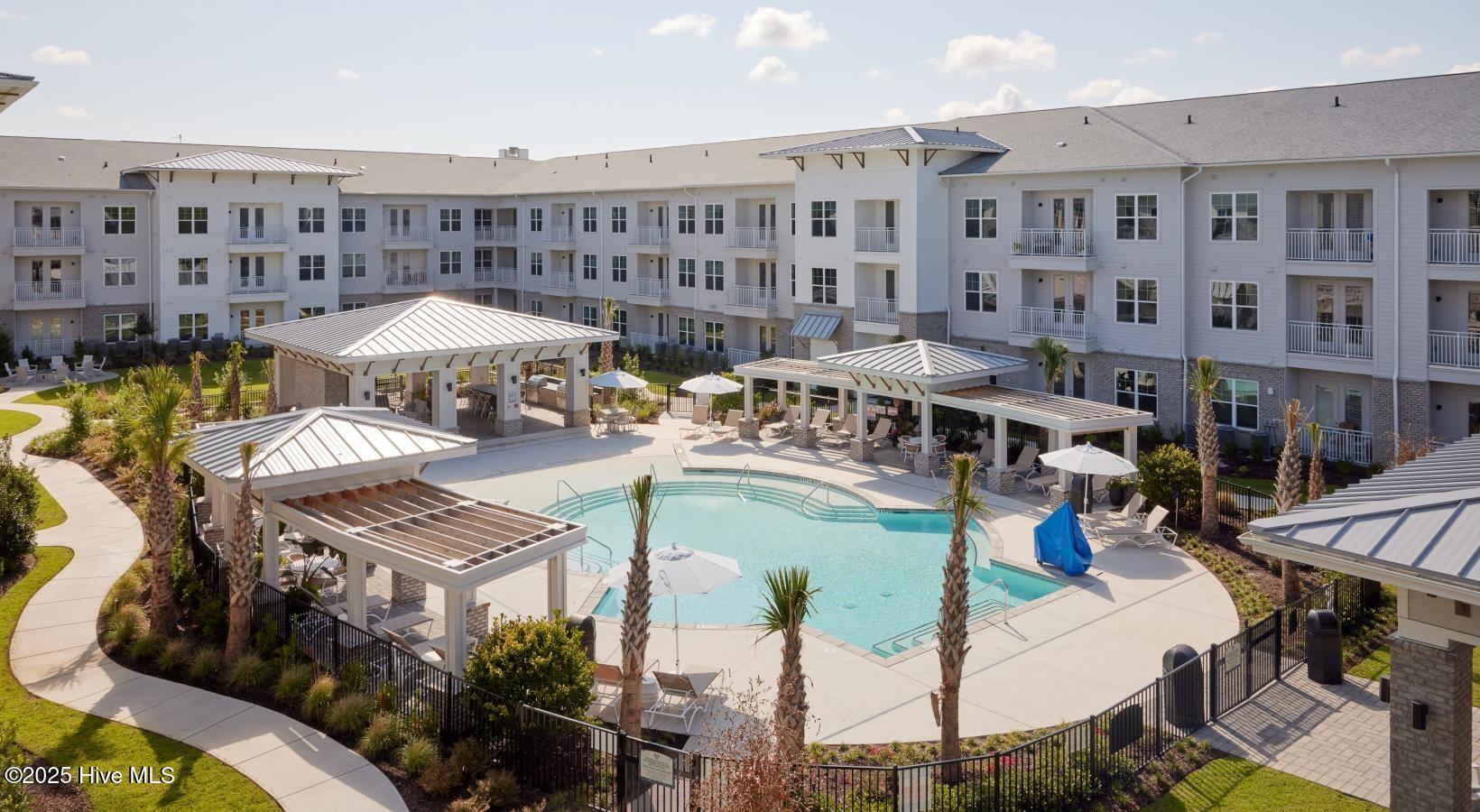
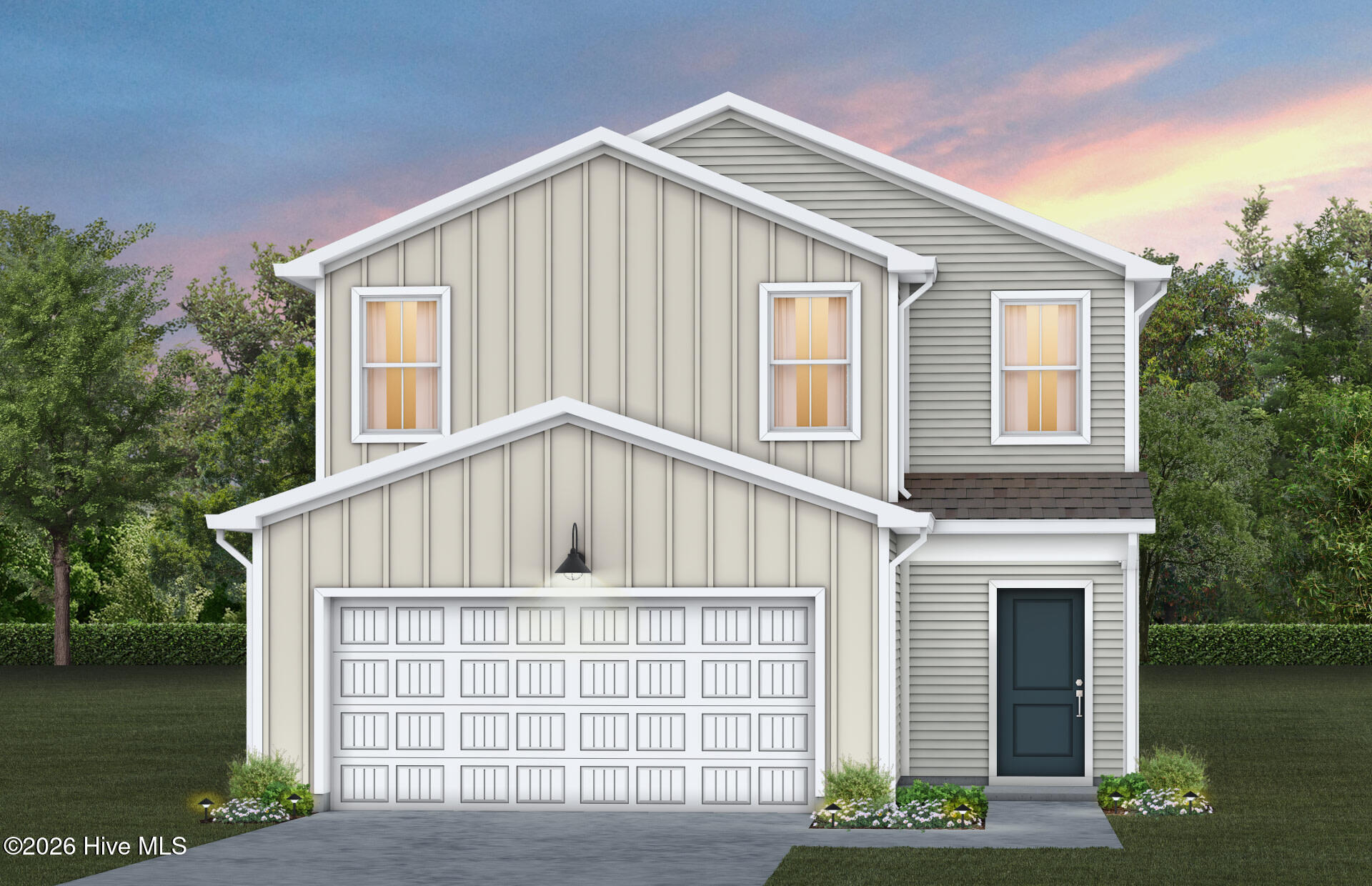
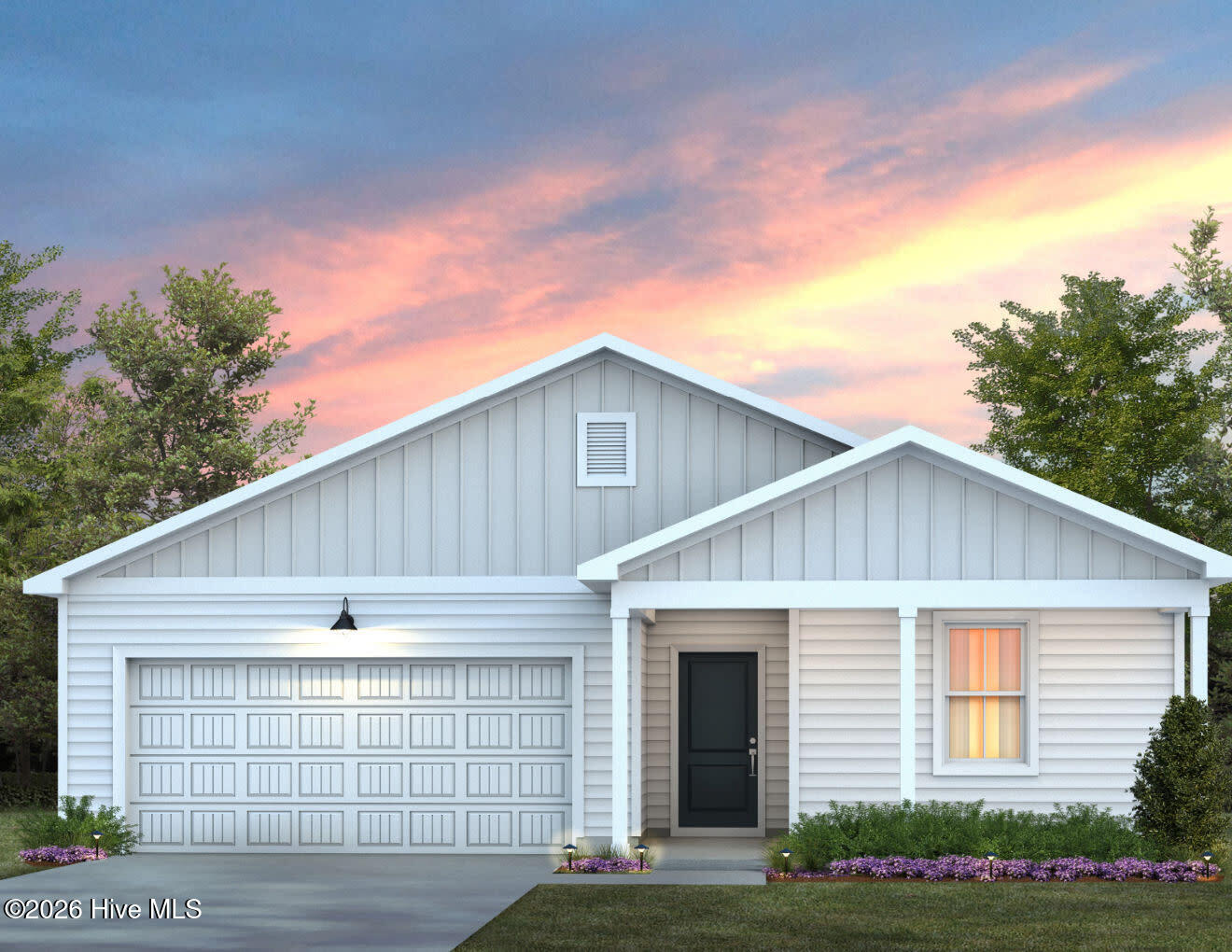
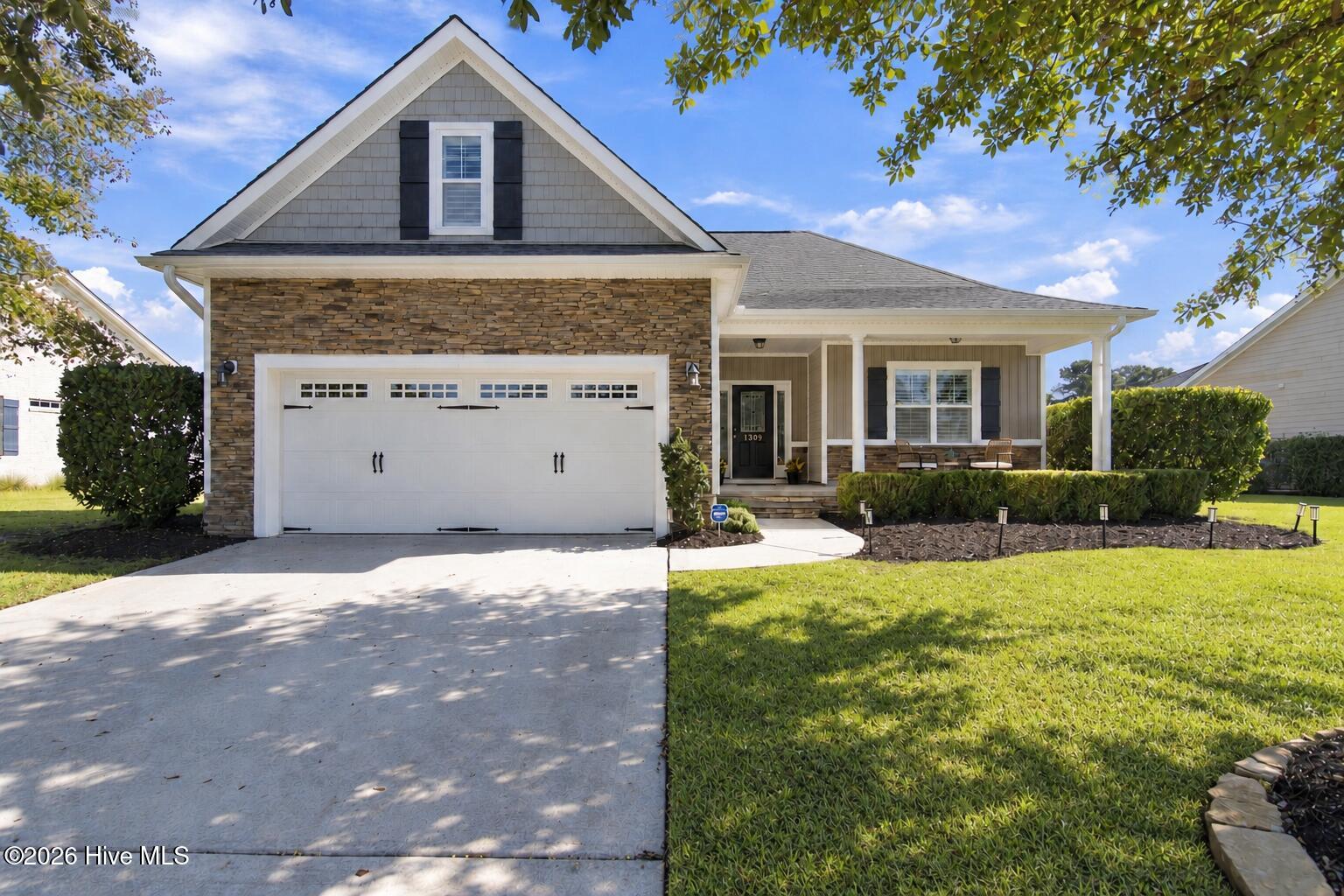
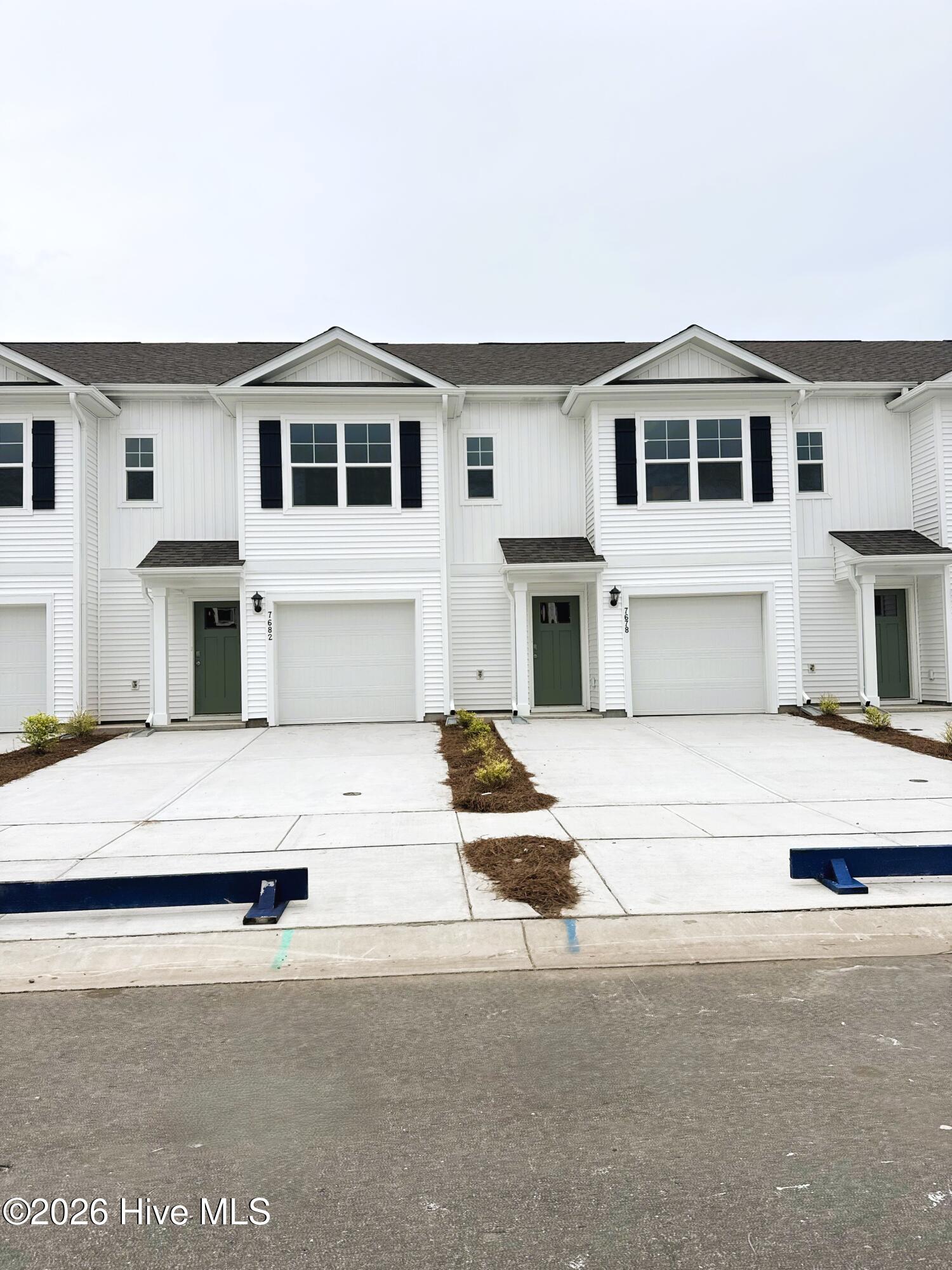
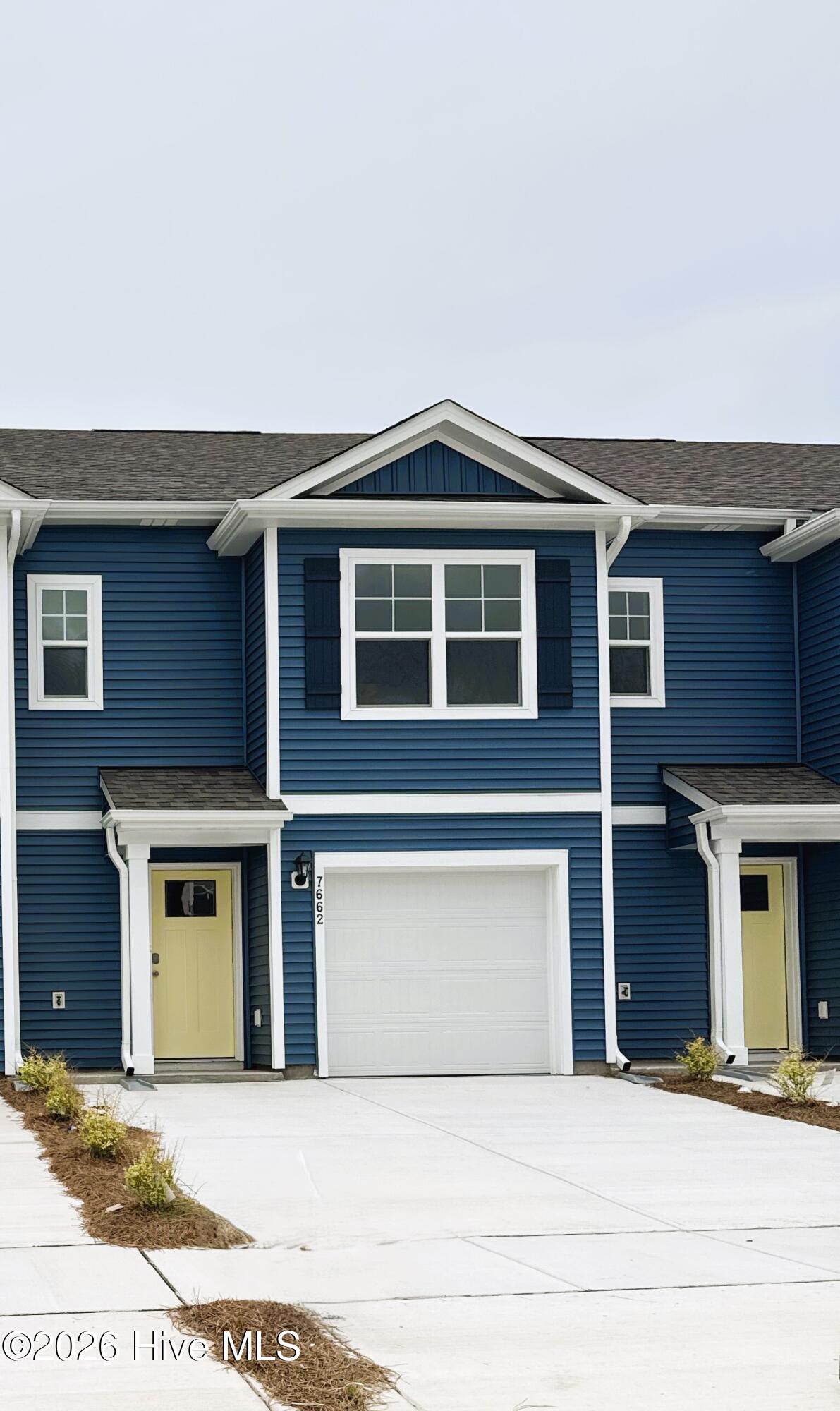
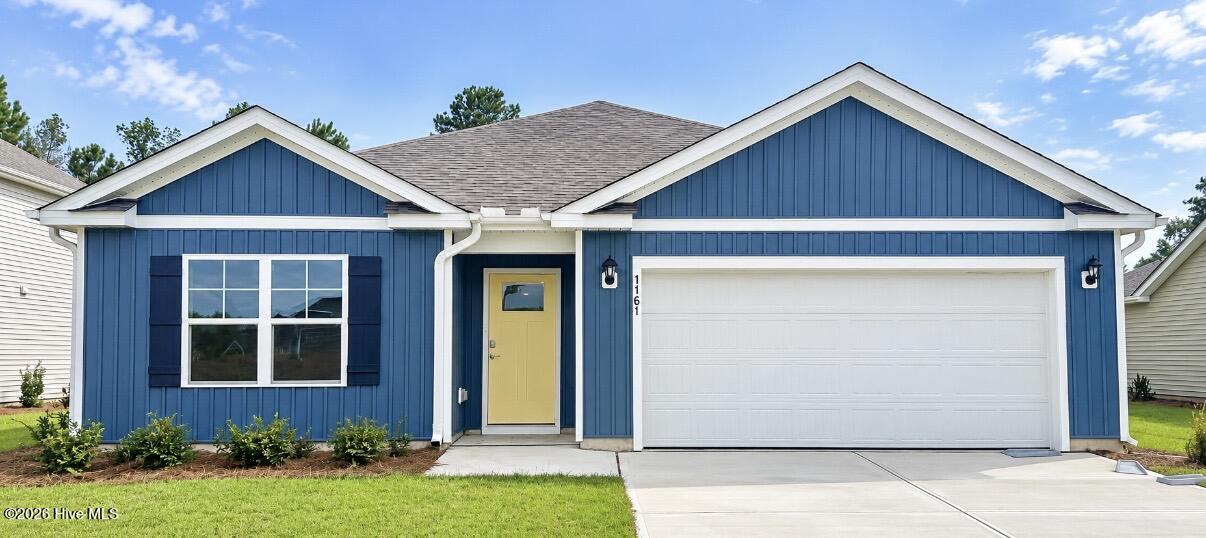
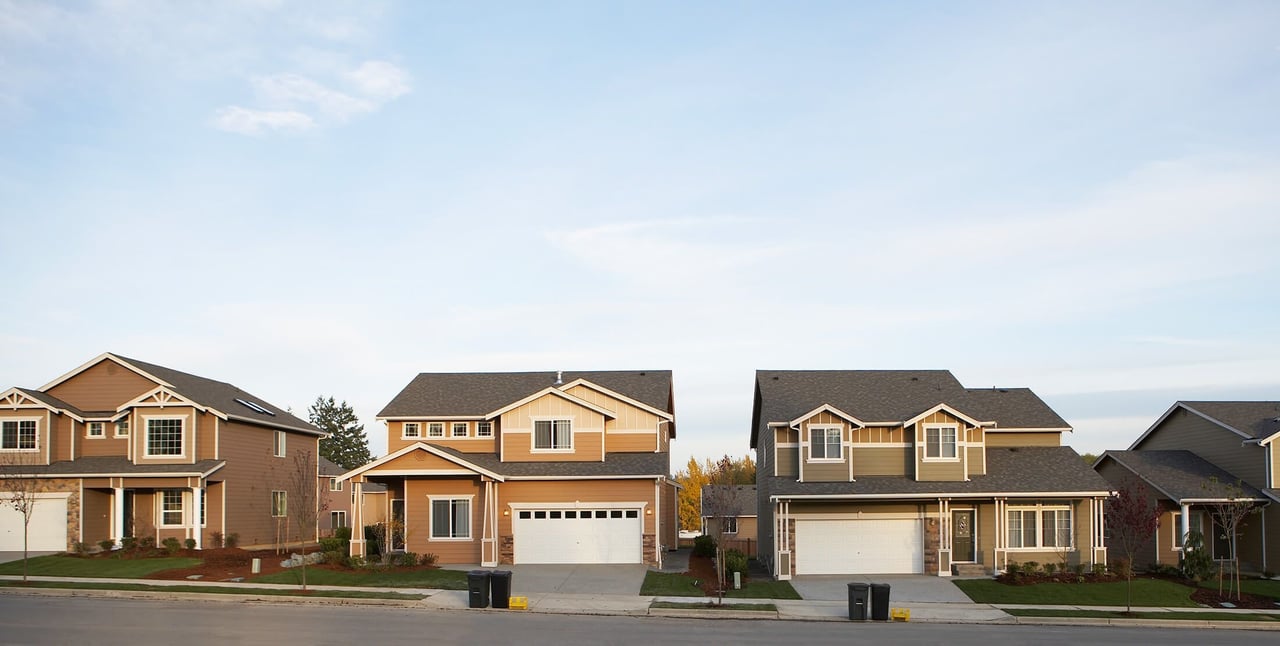
Leland's community landscape includes a mix of family-friendly neighborhoods, retirement communities, and developments offering a variety of housing options. The town's residential growth is complemented by improved infrastructure and increasing commercial developments, providing residents with ample shopping, dining, and healthcare facilities.
The town offers numerous recreational opportunities for outdoor enthusiasts. Brunswick Nature Park and Westgate Nature Park are popular local spots that provide walking and biking trails, picnic areas, and opportunities to observe local wildlife. Leland is also close to several golf courses and waterways, making it a great location for golf aficionados and boating enthusiasts.
In addition to its natural attractions, Leland hosts various community events throughout the year, fostering a vibrant and engaged local culture. The Leland Cultural Arts Center serves as a focal point for the arts, offering classes, workshops, and hosting performances and exhibitions.
Leland's economic development is supported by a flexible and business-friendly environment, attracting new businesses and encouraging local entrepreneurship. As part of the larger Wilmington metropolitan area, residents frequently benefit from the economic and cultural activities of the nearby city while enjoying the slower pace and community-focused lifestyle of Leland.
Leland's strategic location, blended with its commitment to community enrichment and growth, makes it an appealing choice for both individuals and families seeking a blend of modern convenience and coastal living in North Carolina.
Living in Leland
Leland is Brunswick County's growth story, a town that went from roughly 2,000 residents in 2000 to more than 27,000 today, making it one of the fastest-growing municipalities in North Carolina for over two decades running. The reason isn't complicated: Wilmington's hospitals, universities, and employment base are minutes away across the Cape Fear River, but housing in Leland is consistently more affordable.
Brunswick County property taxes run lower than New Hanover County, creating a dual advantage that families and retirees have been acting on in large numbers. The Magnolia Greens and Waterford neighborhoods anchored Leland's reputation as a master-planned bedroom community, and dozens of additional neighborhoods have followed.
The town's retail corridor along US-17 has filled in rapidly, reducing the need to cross the bridge for everyday needs. Brunswick County schools, some of the region's better-performing campuses, serve Leland's families. For buyers comparing Wilmington and Brunswick County, Leland is often where the comparison ends.
Fun Facts
Leland is growing so fast that its Wikipedia population figure is almost certainly out of date by the time you read this. The town added more than 4,000 new residents between 2020 and 2023 alone, which means somewhere between you starting and finishing this paragraph, someone probably signed a purchase agreement on a Leland subdivision.
It was incorporated as a town in 1989 with fewer than 2,000 people. Today it has more than 27,000 and great shopping and eateries. Before any of this, the land was part of a series of large farming tracts and timber holdings that fed Brunswick County's agricultural economy through the early 20th century.
The Cape Fear Memorial Bridge changed everything. Once Wilmington was a five-minute drive instead of a ferry crossing, the west bank of the Cape Fear River became real estate prime for suburbanization. Today Leland is what happens when good bones (proximity to a real city, lower taxes, buildable land) meet sustained demand.
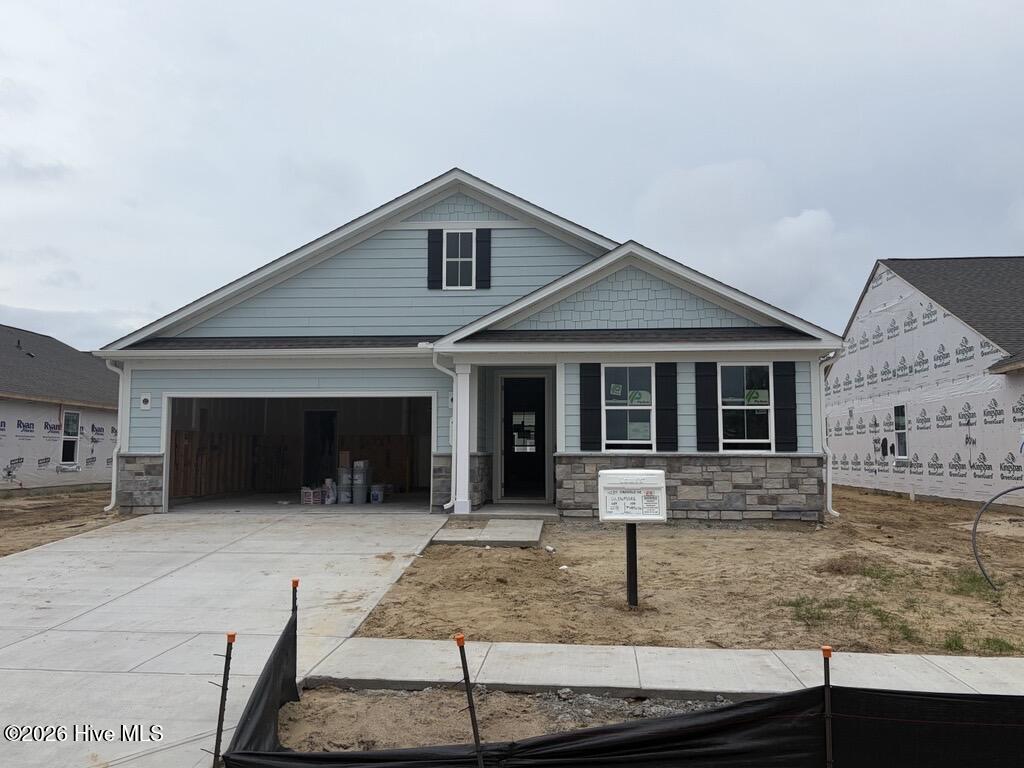
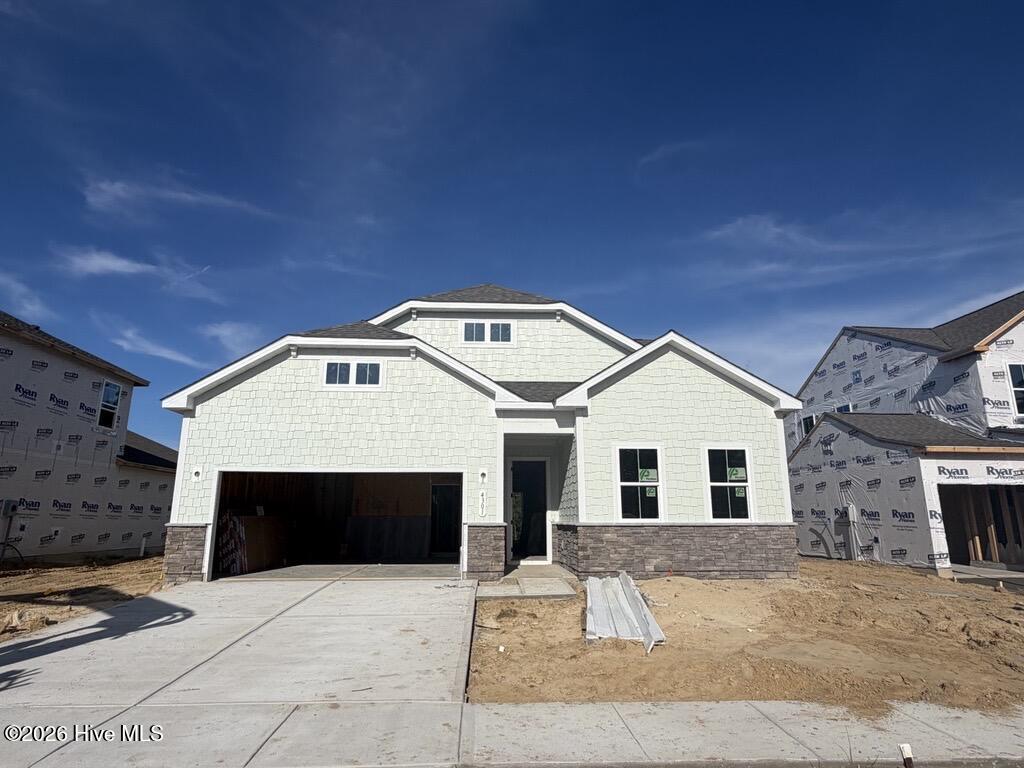
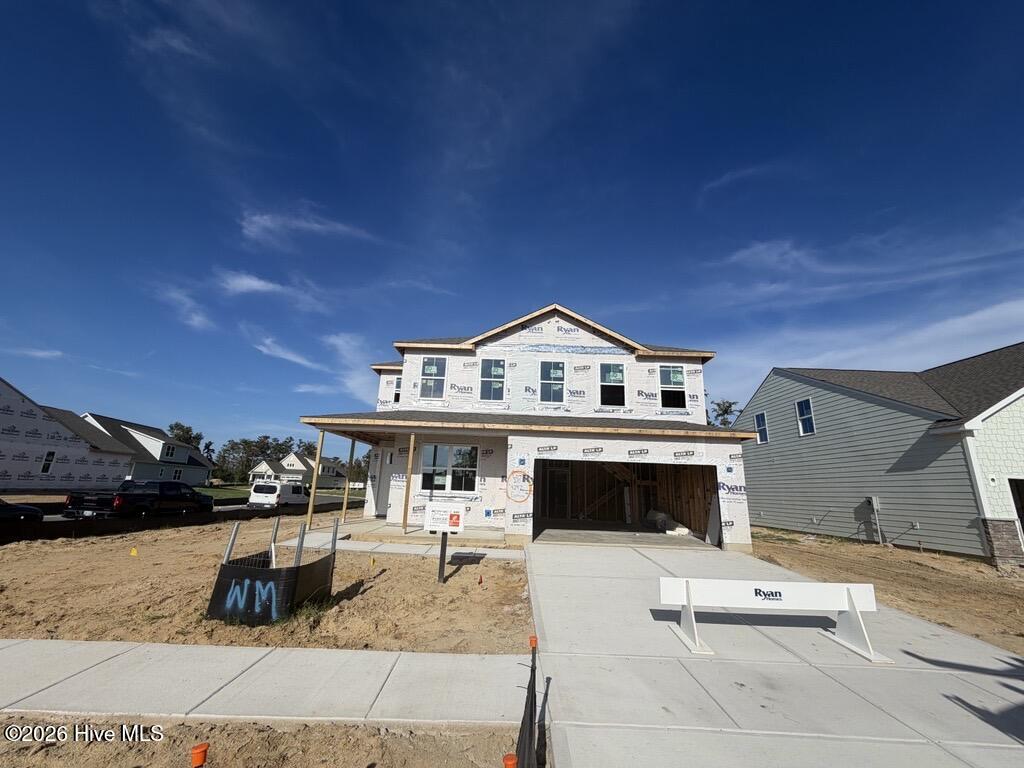
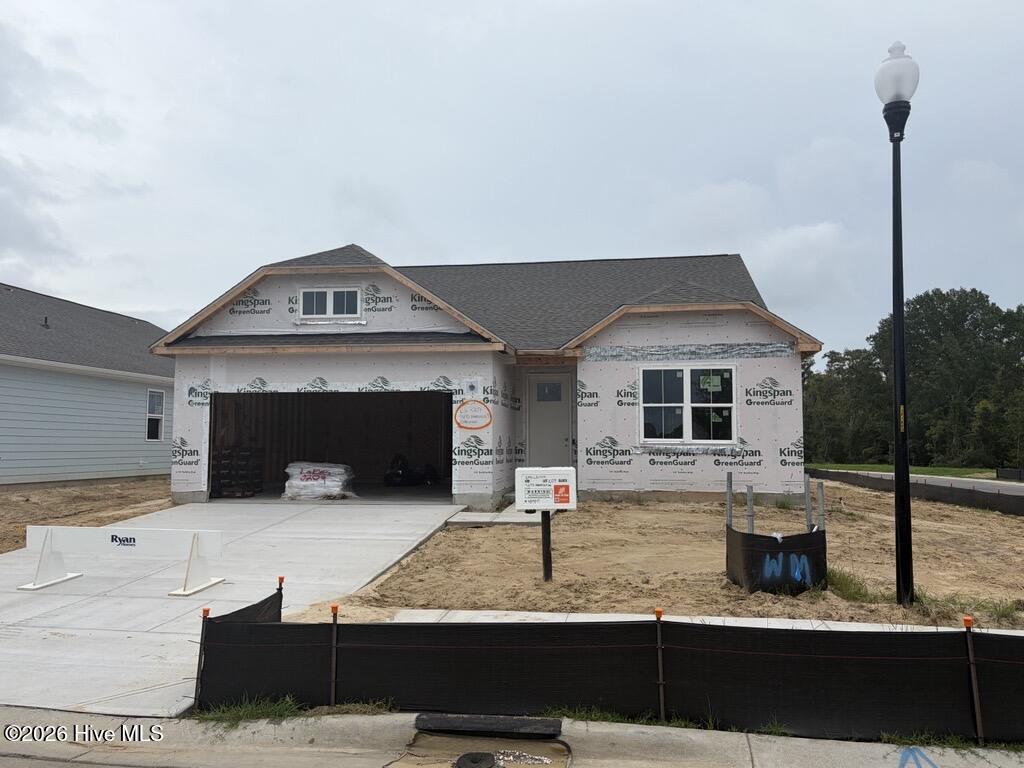
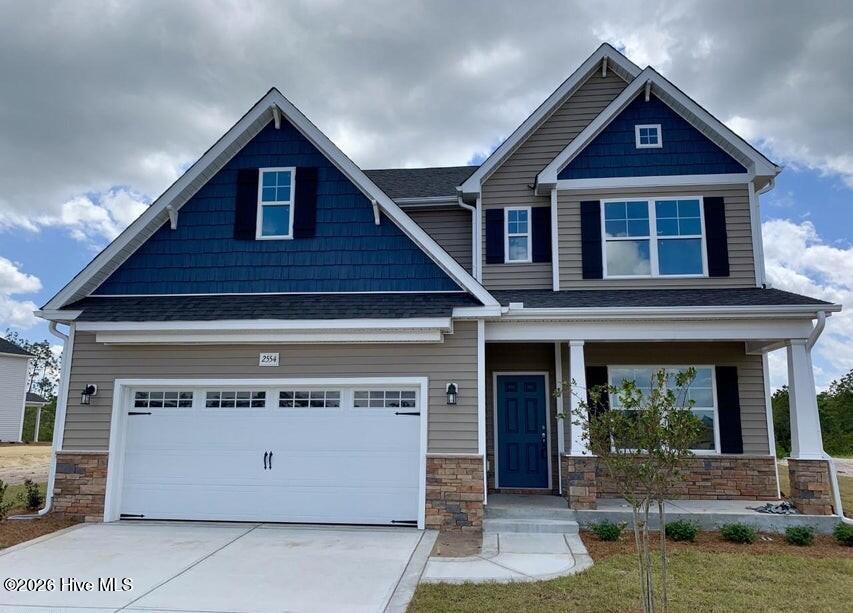
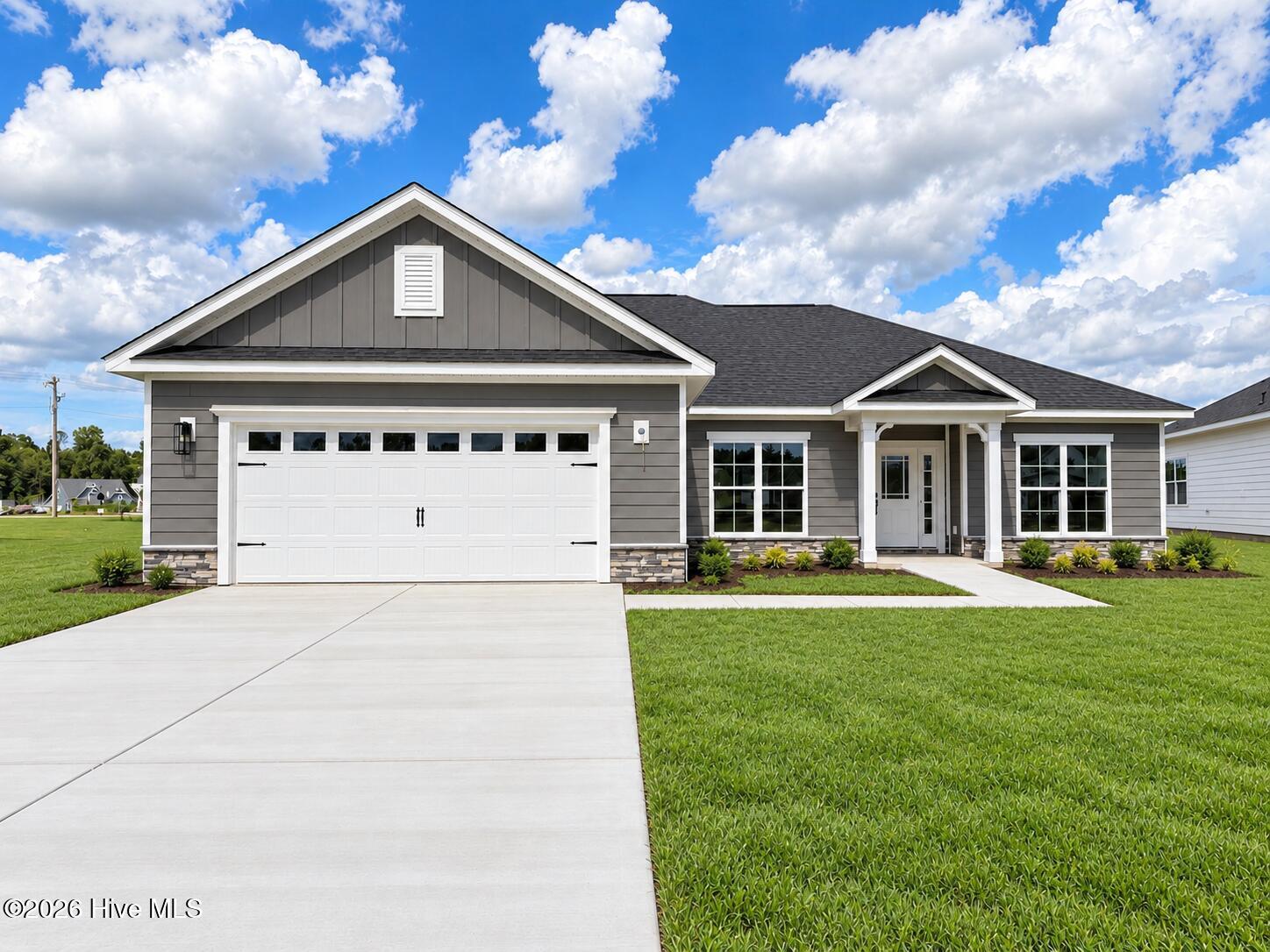
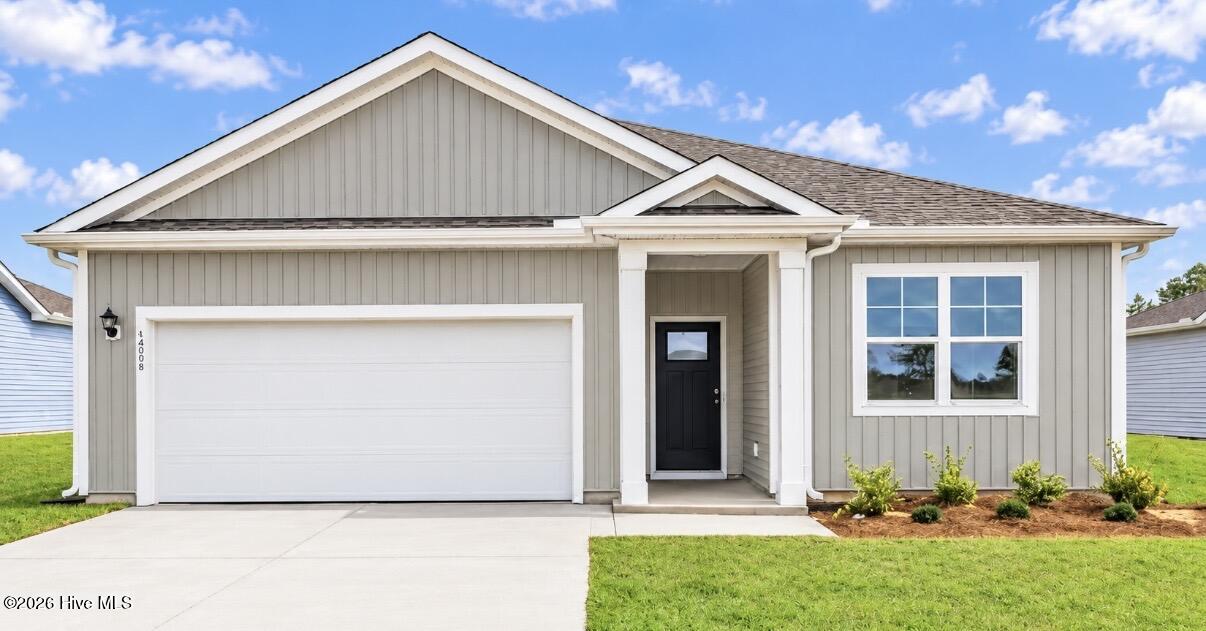
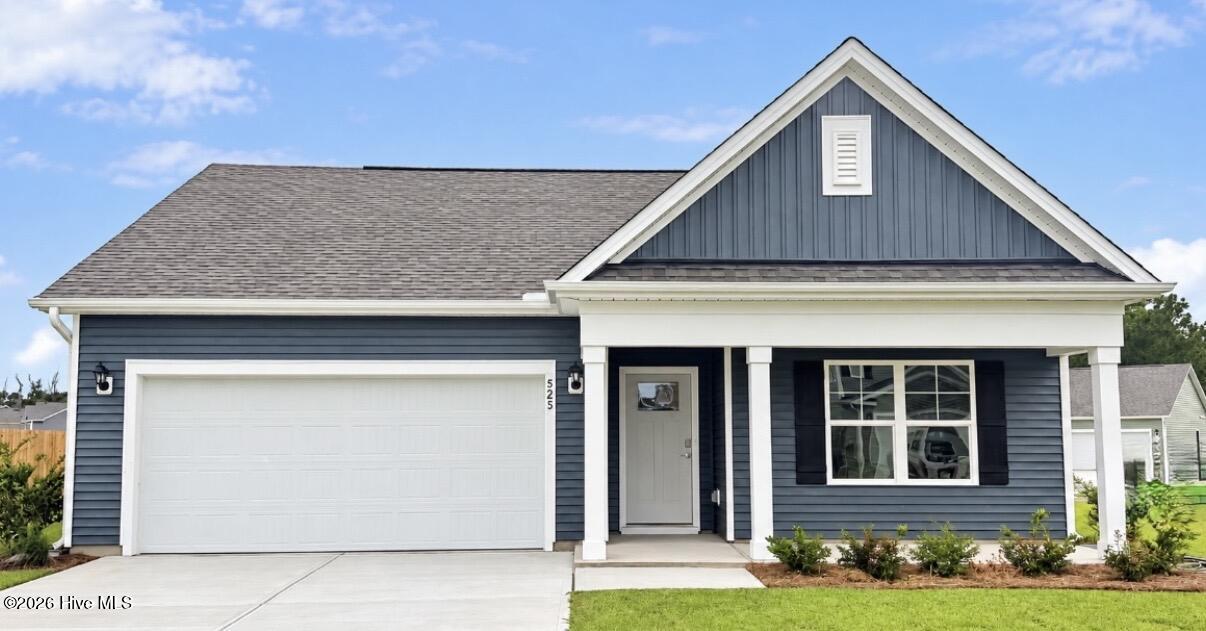
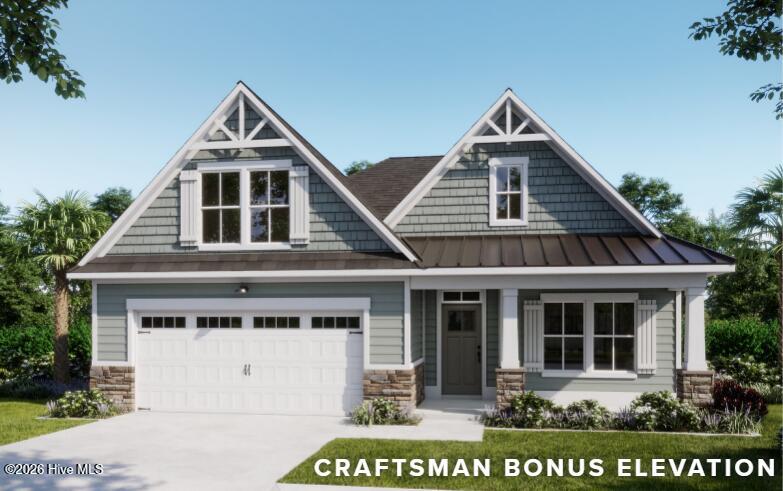
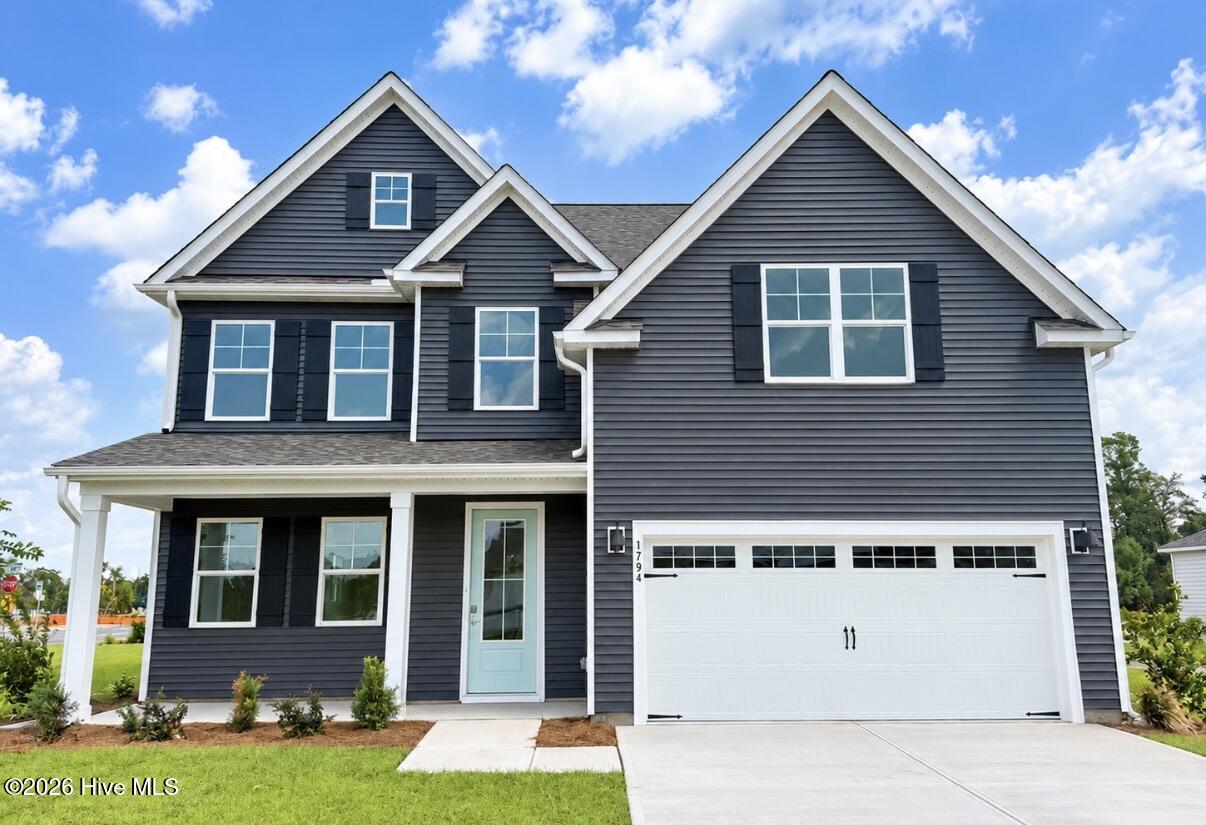
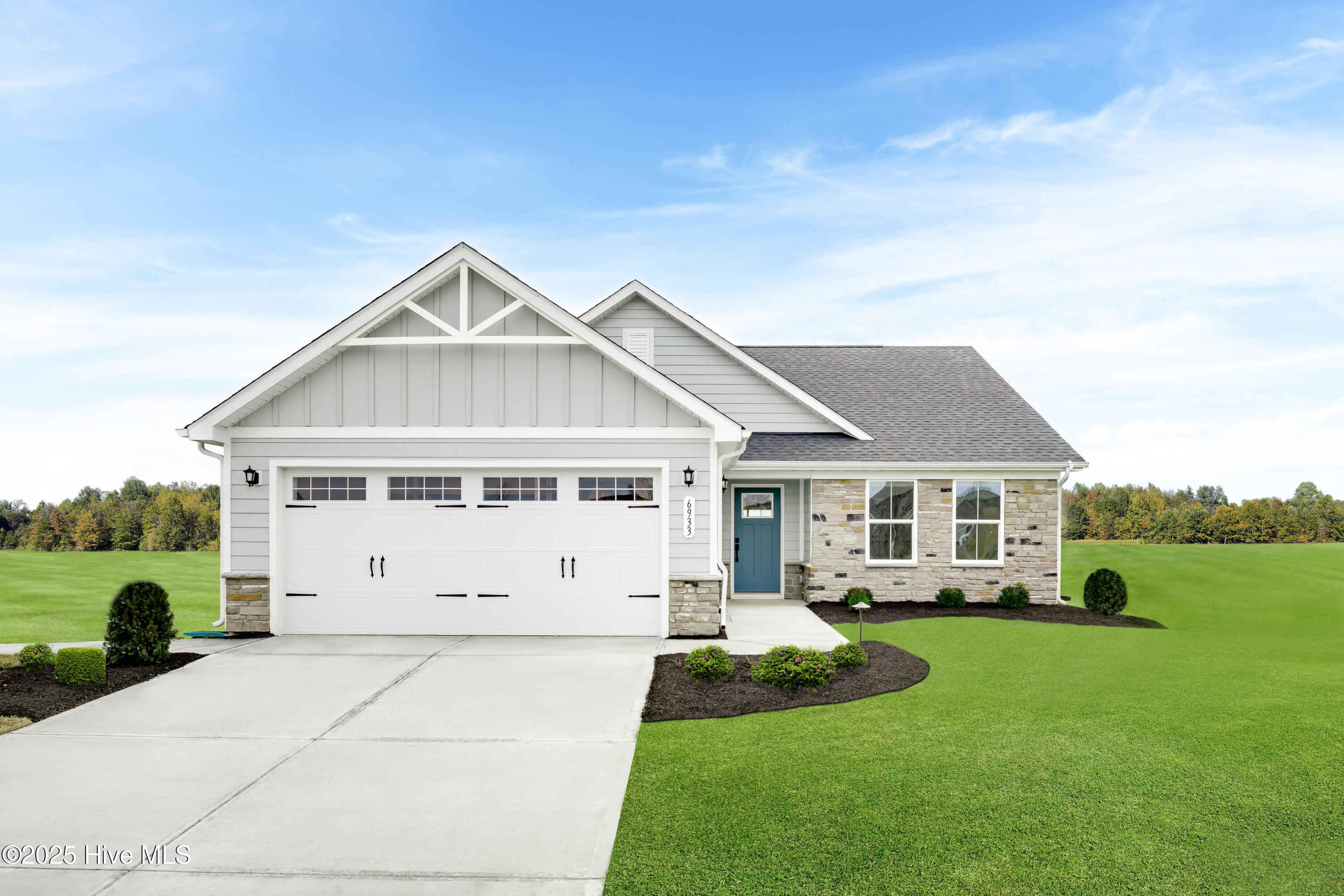
New construction here runs from the mid-$300s in active adult communities to the $600s-plus in waterfront neighborhoods along the Cape Fear and Town Creek. The commute to downtown Wilmington in off-peak hours is genuinely 10 minutes. Yes, really.